How to Choose the Right Apex Seal Thickness for a Mazda Rotary Engine
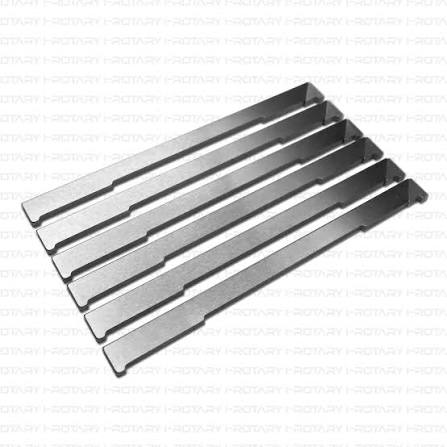
Apex seals are one of the most important components inside a Mazda rotary engine. They help maintain compression, seal the combustion chambers, and play a major role in engine performance and reliability.
When rebuilding a 12A, 13B, 13B-REW, 20B, or Renesis engine, one common question is:
What apex seal thickness should I choose?
The answer depends on your engine generation, rotor type, intended use, and whether the engine is stock, modified, or built for high-performance applications.
This guide explains the common Mazda rotary apex seal thicknesses and the factors to consider before purchasing.
What Is Apex Seal Thickness?
Apex seal thickness refers to the width of the seal that fits into the apex seal groove on the rotor.
Mazda rotary engines have used different apex seal thicknesses over the years, and not every rotor is designed for the same seal size. Using the wrong seal can lead to improper clearance, poor sealing, or compatibility issues.
Common Mazda Apex Seal Thicknesses
Mazda rotary engines have commonly used three apex seal sizes:
5mm Apex Seals
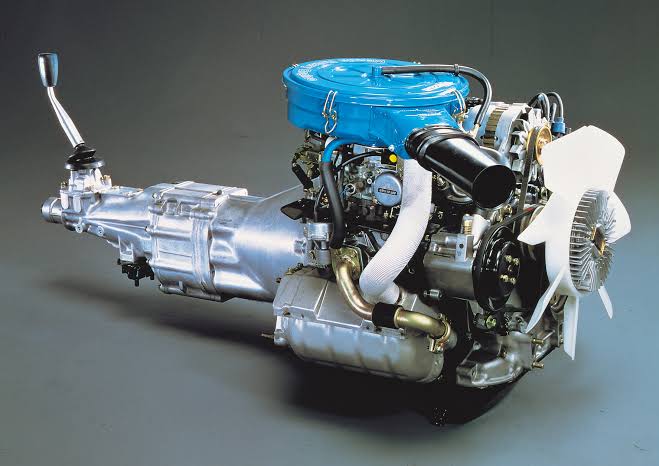
Earlier rotary engines used thicker apex seals, including some early designs that featured 5mm seals.
These are generally found in older applications and are not commonly used in later RX-7 or RX-8 engines.
3mm Apex Seals
Many 12A and early 13B rotary engines used 3mm apex seals. This size is often associated with:
- 12A engines
- Early 13B engines
- Older RX-7 applications
- Some performance builds
Mazda used 3mm seals in many rotary engines from the mid-1970s through the mid-1980s.
2mm Apex Seals
Later 13B engines, including many turbocharged and Renesis applications, commonly use 2mm apex seals.
These are found in:
- Many FC RX-7 engines
- FD RX-7 13B-REW engines
- RX-8 Renesis engines
Always confirm the exact engine specification before ordering parts.
Does Thicker Mean Better?
Not always.
A common assumption is that thicker apex seals are automatically stronger, but the correct choice depends on the rotor design, intended use, and engine setup.
Factors that influence seal selection include:
- Rotor groove dimensions
- Engine generation
- Turbocharged or naturally aspirated setup
- Street or racing use
- Fuel type
- Rotor housing condition
- Desired reliability
Many rotary enthusiasts choose the seal type that matches their rotor design rather than selecting a thicker seal simply because it appears stronger. Some rotor modifications are required when changing from one seal size to another.
Why Rotor Compatibility Matters
Apex seals must fit the rotor groove correctly.
The clearance between the apex seal and the groove is important for sealing performance and reliability. Too much clearance or an incorrect seal size can affect engine operation. Mazda workshop information specifies inspection procedures and allowable clearances during rebuilding.
Before purchasing apex seals, confirm:
- Engine type
- Rotor type
- Rotor groove size
- Existing seal dimensions
- Model year
- Previous modifications
Never assume that all 13B or 12A engines use the same apex seal.
Should You Upgrade Apex Seals During a Rebuild?
That depends on the goals of the engine build.
For a stock rebuild, many owners prefer components that match the original engine design.
For modified or high-performance applications, builders may choose different seal materials or configurations depending on the intended use.
However, changing seal thickness may require rotor modifications or additional machine work. Always confirm compatibility before purchasing parts.
Other Components to Replace Alongside Apex Seals
When rebuilding a Mazda rotary engine, apex seals are only one part of the sealing system.
Other components commonly inspected or replaced include:
- Side seals
- Corner seals
- Seal springs
- Oil seals
- O-rings
- Water seals
- Rotor bearings
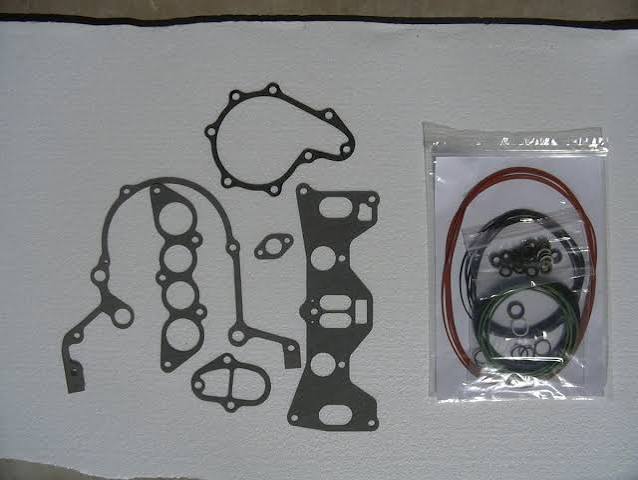
- Gaskets
Replacing related components at the same time can help ensure the engine is assembled correctly.
How to Choose the Right Apex Seal Thickness
Before ordering apex seals, follow these steps:
- Identify the exact engine model.
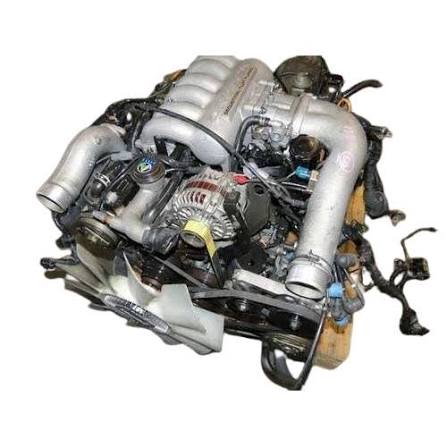
- Confirm whether the engine is 12A, 13B, 13B-REW, 20B, or Renesis.
- Inspect the rotor grooves.
- Check for previous modifications.
- Verify part numbers.
- Confirm compatibility with your rebuild components.
- Choose seals designed for your application.
Taking the time to confirm compatibility can prevent expensive mistakes during a rebuild.
Frequently Asked Questions
Are all 13B apex seals the same?
No. Different 13B engines may use different apex seal designs depending on the model year and engine type.
Can I install thicker apex seals without modifying the rotor?
Not always. Some seal conversions require machining or modified rotor grooves.
Which apex seal thickness is best?
The best seal is generally the one that matches your rotor design, engine application, and intended use.
Do turbo rotary engines use different apex seals?
Some turbocharged engines may use different seal designs or materials, depending on the build and application.
Final Thoughts
Choosing the right apex seal thickness is an important part of any Mazda rotary engine rebuild. While 2mm, 3mm, and 5mm seals have all been used in different rotary applications, compatibility is more important than simply choosing the thickest option.
Before purchasing apex seals, confirm the engine type, rotor design, and any previous modifications. Matching the correct apex seal to the correct rotor helps create a more reliable and properly assembled rotary engine.
If you are sourcing Mazda rotary engine parts, always verify fitment before ordering to ensure the best results from your rebuild.