Mazda Rotary Water Seals: What They Do and When Should You Replace Them?
When rebuilding a Mazda rotary engine, most of the attention usually goes to apex seals, side seals, corner seals, and rotor housings. However, water seals are just as important to the engine’s overall sealing system.
Mazda rotary water seals sit around the coolant passages in the engine’s housings. Their job is to help keep engine coolant contained within the cooling passages and separated from areas where it should not be present.
If a water seal becomes damaged, hardened, or improperly installed, coolant can leak internally or externally. For that reason, water seals should be carefully inspected whenever a rotary engine is dismantled.
The important point is that water seals are not interchangeable across every Mazda rotary engine. The correct seals depend on the specific engine generation and housing configuration. Mazda Motorsports, for example, lists different rebuild parts for different 13B applications.
What Are Mazda Rotary Water Seals?
Mazda rotary water seals are sealing components installed around the water-jacket or coolant passages of the rotary engine.
Unlike apex seals, which seal the rotor against the rotor housing, water seals deal with the engine’s cooling system.
A rotary engine contains coolant passages around the housings and irons. The water seals help prevent coolant from escaping from those passages into areas where it does not belong.
During a rebuild, the water-seal grooves and surrounding surfaces should be cleaned and inspected before new seals are installed.
Why Are Water Seals Important?
A rotary engine depends on its cooling system to control operating temperatures.
If the sealing around the coolant passages is compromised, several problems can occur.
A damaged water seal may contribute to:
- Coolant leakage
- Coolant entering an unwanted area of the engine
- Loss of coolant
- Cooling-system pressure problems
- Overheating
- Corrosion around the seal groove
- Contamination of engine fluids
A water-seal problem can therefore become much more serious than simply replacing one small sealing component.
This is why water seals deserve attention whenever a Mazda rotary engine is being rebuilt.
Where Are Water Seals Located?
The exact arrangement depends on the particular Mazda rotary engine.
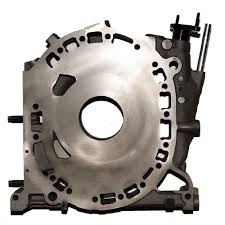
Water seals are installed around coolant passages in the engine’s housings or irons. During disassembly, the seals can be removed from their grooves so the grooves and surrounding surfaces can be inspected.
On a 13B teardown, for example, the water-seal grooves can be found on the front and rear irons and around the center iron. A teardown inspection should include checking these grooves for erosion or missing material.
This is important because replacing the seal alone won’t correct a damaged groove.
What Causes Mazda Rotary Water Seals to Fail?
Water seals can deteriorate for several reasons.
Age and Material Deterioration
An older rotary engine may have seals that have been exposed to years of heat and coolant.
Over time, sealing material can lose its original properties.
This is one reason water seals are commonly addressed during an engine rebuild rather than simply assuming the original seals are still suitable.
Overheating
A rotary engine that has experienced a cooling-system problem deserves particularly careful inspection.
Excessive heat can affect sealing components and the surfaces around them.
A previous overheating event does not automatically mean the housings are unusable, but it is a reason to inspect them carefully.
Corrosion
Coolant passages and seal grooves can develop corrosion.
If corrosion affects the groove where the seal sits, installing a new water seal may not be enough to restore proper sealing.
The groove itself needs to be evaluated.
Damaged Seal Grooves
The groove is just as important as the seal.
During a teardown, inspect for:
- Erosion
- Corrosion
- Cracks
- Missing material
- Damaged groove walls
- Debris
- Previous repair work
A damaged groove can prevent a new seal from seating correctly.
When Should You Replace Mazda Rotary Water Seals?
In most complete rotary engine rebuilds, replacing the water seals is a sensible part of refreshing the engine’s sealing system.
The reason is simple: once the engine has been completely disassembled, the old seals have already been removed and the sealing surfaces are accessible.
A professional or experienced rotary rebuilder can then inspect the grooves and install the appropriate new seals.
Mazda Motorsports lists water seals as part of the sealing components associated with rotary rebuild applications, while aftermarket rebuild kits for specific 13B applications also include water-jacket seals.
Replace the water seals when:
- The engine is completely disassembled
- The original seals are damaged
- The seals are hardened or deteriorated
- The engine has experienced a coolant leak
- The engine has overheated
- The seal grooves are being inspected as part of a rebuild
- You’re replacing the major engine sealing components
For a complete rebuild, it’s generally better to plan for new water seals rather than building the engine around old sealing components.
Should You Reuse Old Rotary Water Seals?
For a full rebuild, reusing old water seals is generally not the approach you want to take.
Once the engine is apart, the cost and effort of rebuilding the engine make sealing components an important area to address.
A rotary-engine teardown guide specifically recommends not reusing the soft water seals and explains that the water-seal grooves should be cleaned and inspected during disassembly.
The exact replacement procedure and parts should follow the service information for your engine.
How Do You Inspect Rotary Water Seal Grooves?
Replacing the water seals is only part of the job.
The grooves need to be checked first.
Step 1: Remove the old seals
Carefully remove the existing water seals without damaging the surrounding metal.
Step 2: Clean the grooves
Remove:
- Old seal material
- Dirt
- Coolant deposits
- Corrosion products
- Sealant residue
The groove needs to be clean before its condition can be properly evaluated.
Step 3: Inspect the groove walls
Look closely for:
- Erosion
- Corrosion
- Cracks
- Missing sections
- Deep damage
- Deformation
Step 4: Inspect the housing or iron
Check the surrounding material for signs of overheating, corrosion, or other damage.
Step 5: Confirm the correct replacement seal
Don’t order a water seal simply because it is advertised as a “13B water seal.”
Verify the seal against the exact engine application.
What Happens If a Water Seal Groove Is Damaged?
This is an important distinction.
If the seal is damaged but the groove is healthy, replacing the seal may resolve the problem.
If the groove itself is damaged, simply installing another seal may not be enough.
Depending on the severity and location of the damage, the housing or iron may require further inspection or specialist attention.
A teardown reference specifically notes that water-seal grooves should be checked for erosion or missing sections after the old seals are removed.
This is why buying a new set of seals before inspecting the engine isn’t always the best first step.
Can a Bad Water Seal Cause Coolant Problems?
Yes.
Because water seals are responsible for separating coolant passages from other engine areas, a failed seal can allow coolant to escape from its intended path.
Depending on where the failure occurs, you may see:
- External coolant leakage
- Coolant loss
- Overheating
- Evidence of coolant contamination
- Other cooling-system symptoms
However, not every coolant-related problem is caused by a water seal.
A cooling-system diagnosis should also consider:
- Radiator
- Hoses
- Water pump
- Thermostat
- Radiator cap
- Coolant passages
- Housing condition
- Other engine sealing components
Water-seal failure should therefore be confirmed rather than assumed.
Can You Replace Water Seals Without Rebuilding the Whole Engine?
This depends on the engine’s condition and how accessible the affected seals are.
Water seals are located within the engine assembly, so replacing them generally involves significant disassembly.
If the engine is already being opened for a rebuild, replacing the water seals makes much more sense than treating them as an isolated external repair.
If you’re dealing with an assembled engine with a suspected internal coolant leak, the appropriate repair should be determined after diagnosis.
Are Water Seals the Same for Every 13B?
No.
This is one of the most important things to understand when buying Mazda rotary engine parts.
A 13B from one generation may use different components from another 13B.
Mazda Motorsports publishes separate rebuild parts information for different 13B applications. For example, its listings distinguish between 1993–95 13B rebuild parts and Renesis 13B rebuild parts.
Therefore, when ordering water seals, identify:
- Engine code
- Engine generation
- Vehicle
- Model year
- Housing configuration
Don’t rely solely on the term “13B.”
What About 13B-REW Water Seals?
The 13B-REW used in the third-generation Mazda RX-7 has its own specific rebuild requirements.
If you’re rebuilding a 13B-REW, the water seals should be selected specifically for that engine.
This is particularly important when buying a complete rotary rebuild kit because different kits can be designed around different engine generations.
The same principle applies to other 13B variants.
Water Seals vs Apex Seals: What’s the Difference?
These two components are sometimes confused because both are called “seals,” but they perform completely different jobs.
| Component | Main Function |
|---|---|
| Apex seal | Seals the rotor against the rotor housing |
| Side seal | Helps seal the sides of the rotor |
| Corner seal | Works with the side and apex sealing system |
| Oil seal | Helps control engine oil |
| Water seal | Seals coolant passages |
The apex seal is directly involved in maintaining combustion-chamber sealing.
The water seal is concerned with the engine’s cooling passages.
A rebuild therefore needs the appropriate sealing components for both systems.
What Other Parts Should You Inspect With Water Seals?
If you’re already dismantling a Mazda rotary engine, don’t inspect the water seals in isolation.
Also check:
Rotor Housings
Look for scoring, corrosion, damage, and problems with the working surface.
Side Housings
Inspect the sealing surfaces and coolant-related areas.
Rotors
Check the seal grooves and general rotor condition.
Apex, Side and Corner Seals
Inspect or replace them according to the requirements of the particular engine.
Oil Seals
Old oil seals should be considered during the rebuild.
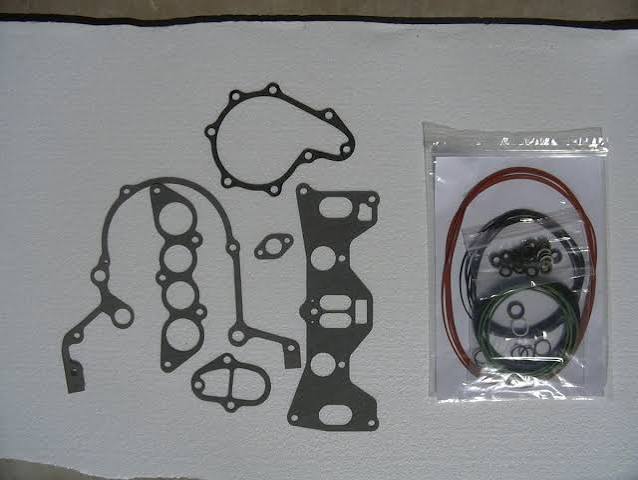
Gaskets and O-Rings
A rebuild normally involves replacing the appropriate gaskets and O-rings as well.
Mazda’s published rebuild parts lists show that rotary rebuilds involve a combination of apex, side, corner, oil-sealing, gasket, and O-ring components rather than one single type of seal.
How to Choose the Correct Mazda Rotary Water Seals
Before ordering, gather the engine information first.
1. Identify the engine
For example:
- 12A
- Early 13B
- FC 13B
- 13B-T
- 13B-RE
- 13B-REW
- 13B-MSP
2. Identify the application
Record the Mazda model and year where possible.
3. Check the parts listing
Make sure the water seal is specifically listed for your engine.
4. Compare the old component
If possible, compare the new seal with the original after confirming the correct application.
5. Inspect the groove
Don’t install new seals into a damaged or contaminated groove.
Common Water Seal Mistakes During a Rotary Rebuild
Installing the Wrong Seal
The word “13B” isn’t enough information to guarantee compatibility.
Reusing Damaged Seals
Old seals that have been removed during a rebuild shouldn’t automatically be put back into service.
Ignoring the Groove
A new seal cannot compensate for significant damage to the groove.
Failing to Clean the Groove
Debris or old seal material can interfere with proper installation.
Mixing Parts From Different Engines
If you’re building an engine from multiple Mazda rotary engines, verify the compatibility of each sealing component.
Treating a Coolant Leak as a Water-Seal Problem Without Diagnosis
Other cooling-system components can cause coolant loss. Diagnose the actual source before ordering parts.
Mazda Rotary Water Seal Rebuild Checklist
Before installing the seals, check:
- Correct engine identified
- Correct water seals selected
- Old seals removed
- Seal grooves cleaned
- Grooves inspected for corrosion
- Grooves inspected for erosion
- Housing or iron inspected
- Correct installation procedure confirmed
- Related gaskets and O-rings identified
- Cooling system inspected
- Other engine seals checked
- Final assembly checked against the appropriate service information
Final Thoughts
Mazda rotary water seals are small but important components of the engine’s cooling and sealing system.
They help contain coolant around the engine’s water passages, and their condition becomes especially important when a rotary engine is being rebuilt.
If you’re rebuilding a Mazda 12A or 13B, don’t simply remove the old water seals and install new ones without inspecting the grooves. Clean the sealing areas carefully and look for corrosion, erosion, missing material, or other damage.
Most importantly, buy water seals for the exact rotary engine you’re rebuilding. Mazda produced multiple rotary generations and configurations, so a water seal advertised simply as a “13B seal” should be verified before purchase. Mazda’s own parts information demonstrates that rebuild components vary between different 13B applications.
A good rebuild process is:
Identify the engine → Remove the old seals → Clean the grooves → Inspect the housings → Confirm the correct water seals → Install according to the applicable service procedure.
That approach helps reduce the chance of overlooking a coolant-sealing problem during a Mazda rotary engine rebuild.
Mazda rotary water seals Mazda rotary water seals Mazda rotary water seals Mazda rotary water seals Mazda rotary water seals Mazda rotary water seals Mazda rotary water seals Mazda rotary water seals Mazda rotary water seals Mazda rotary water seals Mazda rotary water seals Mazda rotary water seals