What Should You Check on a Used Mazda Rotary Engine Before Buying It?
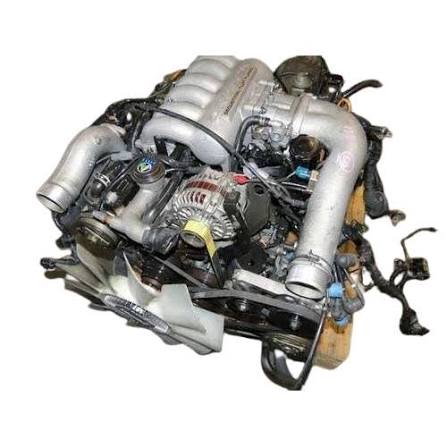
Buying a used Mazda rotary engine can be a great way to replace a damaged engine or find a solid foundation for a rebuild. But a used rotary engine can also hide problems that aren’t obvious from a quick inspection.
Whether you’re looking at a 12A, 13B, 13B-REW, 20B, or another Mazda rotary engine, you should inspect its condition before handing over your money. A clean-looking engine isn’t necessarily a healthy engine, and an engine that runs isn’t automatically an engine worth buying.
The most important areas to check are compression, starting behavior, rotor housings, eccentric shaft condition, oil and coolant condition, visible leaks, engine history, and signs of previous overheating or poor tuning.
1. Check the Engine’s History
Before inspecting the physical engine, ask the seller where it came from and how it was used.
Important questions include:
- What vehicle did it come from?
- What was the engine mileage?
- Was it ever rebuilt?
- Who rebuilt it?
- When was it removed from the vehicle?
- Was it naturally aspirated or turbocharged?
- Was it modified or ported?
- Was it used for racing or track driving?
- Does the seller have compression-test results?
- Are there receipts for previous repairs?
A rotary engine with documented maintenance and rebuild history is easier to evaluate than one with an unknown past.
This is particularly important if the engine has been modified. Previous tuning, overheating, detonation, or poor maintenance can affect internal components even when the engine still starts and runs.
2. Get a Rotary-Specific Compression Test
A compression test is one of the most important checks when buying a used Mazda rotary engine.
Unlike a conventional piston engine, a rotary has multiple sealing faces per rotor, so a proper rotary compression test provides information about the condition of those sealing surfaces.
Don’t rely on a seller simply saying that the engine has “good compression.” Ask to see the actual test results.
A useful test should show:
- Compression from each rotor
- The individual face readings
- Similar readings between the rotors
- The engine temperature during testing
- The testing equipment used
A rotary-specific compression tester is preferable because conventional compression testers don’t provide the same type of information needed to properly evaluate a rotary engine.
Why balanced readings matter
The exact acceptable compression figures depend on the particular Mazda engine, testing method, engine temperature, and equipment.
For that reason, don’t judge an engine solely by a single advertised PSI number. Look at the complete set of readings and compare them with the manufacturer’s specifications for that particular engine.
Uneven readings can indicate differences in sealing condition and deserve further investigation.
3. Check How the Engine Starts
If possible, inspect the engine from a genuine cold start.
A seller may warm up an engine before you arrive to hide difficult starting behavior.
Pay attention to:
- How quickly the engine starts
- How long it cranks
- Whether it needs repeated attempts
- Whether the idle is stable
- Whether it stalls
- Whether excessive smoke comes from the exhaust
Also test the engine after it has reached operating temperature.
A rotary that starts easily when cold but struggles significantly when hot deserves further investigation, particularly if compression results are questionable. Hot-start behavior has long been used as part of RX-7 pre-purchase inspections because poor starting can be associated with low compression.
4. Inspect the Rotor Housings
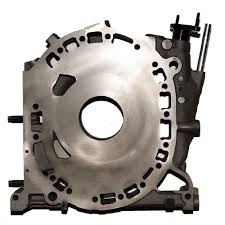
Rotor housings are among the most important components inside a Mazda rotary engine.
If you’re buying a complete used engine, you may not be able to properly inspect the housings without disassembly. However, if the engine is already apart, carefully inspect them before buying.
Look for:
- Deep scoring
- Scratches
- Corrosion
- Abnormal wear
- Damage around the seal paths
- Evidence of overheating
- Surface damage that could affect sealing
Factory workshop information demonstrates that rotor housings require dimensional inspection rather than simply being judged visually.
A damaged rotor housing can turn an inexpensive used engine into a much more expensive rebuild.
5. Inspect the Rotors
The rotors should also be examined carefully if the engine is disassembled.
Pay particular attention to:
- Apex seal grooves
- Side seal grooves
- Corner seal areas
- Rotor surfaces
- Rotor gear areas
- Rotor bearing areas
- Signs of overheating or damage
The condition of the rotor and its clearances should be measured against the specifications for the specific engine.
For example, Mazda’s 13B-MSP workshop information includes procedures for measuring rotor dimensions and rotor-to-side-housing clearance.
Don’t assume a rotor is reusable simply because it looks good.
6. Check the Eccentric Shaft
The eccentric shaft is another major component that deserves careful inspection.
Check for:
- Journal scoring
- Excessive wear
- Damage
- Blocked oil passages
- Excessive runout
- Abnormal end play
If the engine is apart, the shaft should be measured rather than judged by appearance.
Mazda workshop documentation specifically includes inspection of the eccentric shaft’s oil passages and runout, illustrating why measurement is important when evaluating a used rotary engine.
The applicable specifications vary by engine, so use the service information for the exact rotary you’re buying.
7. Inspect the Bearings
If the engine is disassembled, inspect the rotor and main bearings carefully.
Look for:
- Scoring
- Discoloration
- Excessive wear
- Damage
- Signs of oil starvation
Bearing clearance should also be measured.
For example, Mazda’s 13B-MSP workshop information provides a specific procedure for calculating rotor bearing oil clearance from measured dimensions.
A bearing that looks acceptable may still have clearance outside the applicable specification.
8. Look for Signs of Overheating
Overheating can cause serious problems in a rotary engine.
Ask the seller whether the engine has ever overheated and look for evidence that it may have.
Potential warning signs include:
- Damaged or deteriorated seals
- Coolant residue
- Corrosion
- Discolored components
- Damaged housings
- Evidence of previous cooling-system repairs
The cooling system is particularly important on older RX-7s, and buyer guides commonly recommend checking for cooling-system problems and evidence of overheating.
If the seller says the engine overheated previously, don’t automatically assume it is still usable without a thorough inspection.
9. Check for Oil and Coolant Contamination
Inspect whatever fluids are still present in the engine.
Look for:
- Unusual oil contamination
- Coolant contamination
- Metallic debris
- Excessive sludge
- Coolant residue
- Signs of leakage
Fluid condition alone cannot tell you everything about an engine’s internal condition, but unusual contamination can provide clues about previous problems.
If the engine has already been removed and drained, ask the seller why it was removed and whether photographs of the fluids or compression results are available.
10. Inspect for External Damage
Before buying, examine the outside of the engine carefully.
Check:
- Engine housings
- Intake components
- Exhaust ports and manifolds
- Water outlets
- Oil passages
- Sensor locations
- Threaded holes
- Mounting points
- Wiring connectors
- Broken brackets
Look for evidence that the engine has been stored poorly or handled roughly.
Missing components can also become expensive if they’re difficult to source for an older Mazda rotary.
11. Check the Apex Seals and Other Seals if the Engine Is Apart
If you’re buying a disassembled rotary engine, inspect the sealing components carefully.
The apex seals, side seals, and corner seals should be checked for:
- Cracks
- Chipping
- Excessive wear
- Damage
- Incorrect installation
- Sticking in their grooves
However, don’t assume that usable-looking seals should automatically be reused during a rebuild.
If you’re purchasing an engine specifically to rebuild it, budget for the appropriate seal and gasket components rather than relying on the condition of old parts.
12. Look for Signs of Poor Modifications
Modified rotary engines require additional scrutiny.
Ask whether the engine has been:
- Ported
- Turbocharged
- Converted from naturally aspirated to turbo
- Fitted with aftermarket fuel components
- Tuned with an aftermarket ECU
- Used with additional boost
- Built for competition use
Modification itself isn’t proof that an engine is bad.
The important question is whether the modifications were properly engineered and tuned.
A poorly tuned rotary can suffer from overheating, detonation, seal damage, and other internal problems.
13. Don’t Ignore the Engine’s Storage Condition
A used engine that has been sitting for years deserves additional attention.
Ask:
- How long has it been stored?
- Was it stored indoors?
- Was the intake protected?
- Were the exhaust ports protected?
- Was the engine properly preserved?
- Was it exposed to moisture?
An engine that has been sitting open to the elements can develop corrosion or contamination even if it had good compression when it was removed.
14. Compare the Engine Number and Configuration
Make sure the engine you’re buying is actually the engine you were told it is.
Confirm:
- Engine family
- Rotor count
- Intake configuration
- Turbo or naturally aspirated configuration
- Engine identification markings
- Major external components
This matters because Mazda produced multiple rotary engine versions, and parts aren’t automatically interchangeable across every rotary application.
For example, a 13B-REW from an RX-7 FD is a different application from a 13B-MSP Renesis engine used in the RX-8.
Before buying replacement parts, identify the exact engine.
15. Ask Why the Engine Was Removed
This is one of the simplest questions you can ask, but it can reveal a lot.
Ask the seller:
“Why was this engine removed?”
Possible answers might include:
- The vehicle was wrecked
- The owner upgraded the engine
- The engine developed low compression
- The vehicle was dismantled
- The engine was being prepared for a rebuild
- The engine had an overheating problem
Then ask for evidence supporting the explanation.
If the seller claims the engine was removed from a running vehicle, ask for compression results, running videos, maintenance records, or other documentation when available.
Used Mazda Rotary Engine Inspection Checklist
Before buying, work through this checklist:
| Check | What to Look For |
|---|---|
| Engine history | Mileage, rebuild history, modifications |
| Compression | Complete rotary-specific test results |
| Cold start | Starting speed and idle quality |
| Hot start | Starting behavior after reaching operating temperature |
| Rotor housings | Scoring, wear, corrosion and damage |
| Rotors | Seal grooves, bearings and physical damage |
| Eccentric shaft | Journal condition, oil passages and runout |
| Bearings | Wear, scoring and correct clearance |
| Cooling system | Evidence of overheating or coolant problems |
| Oil | Contamination, sludge or metal |
| Seals | Damage, wear and condition |
| External parts | Cracks, broken fittings and missing components |
| Modifications | Porting, turbo upgrades and tuning history |
| Storage | Moisture exposure and corrosion |
| Identification | Correct engine family and configuration |
| Documentation | Compression tests, receipts and service history |
Should You Buy a Used Mazda Rotary Engine Without a Compression Test?
If the engine is being sold as a running engine, a compression test provides valuable information before purchase.
A seller refusing to provide meaningful evidence of the engine’s condition doesn’t necessarily prove that the engine is bad, but it does leave you with significantly less information about what you’re buying.
If a compression test isn’t possible before purchase, price the engine with the possibility that it may require inspection or rebuilding.
What If the Used Rotary Engine Needs a Rebuild?
A used rotary engine doesn’t necessarily have to be perfect to be worth buying.
If the price is appropriate and you’re planning a rebuild, an engine with worn seals or other repairable components may still be a useful core.
The key is understanding what you’re actually buying.
A cheap engine with damaged rotor housings, a damaged eccentric shaft, or multiple unusable major components can become much more expensive than expected.
Before buying, estimate the cost of:
- Rotor housings
- Rotors
- Bearings
- Apex seals
- Side and corner seals
- Gaskets and O-rings
- Oil seals
- Machine work
- Assembly
Then compare that total with the price of a known-good or professionally rebuilt engine.
Final Thoughts
When buying a used Mazda rotary engine, don’t focus only on whether it looks clean or whether the seller says it ran well.
The most important checks are compression, starting behavior, internal component condition, overheating history, lubrication, and maintenance history.
If the engine is already disassembled, take the inspection further by measuring the rotor housings, rotors, bearings, and eccentric shaft according to the specifications for that particular engine.
A good used rotary engine is one you can properly evaluate—not simply one that looks good in photographs.
Taking the time to inspect the engine before buying can help you avoid paying for a problem that only becomes obvious after the engine is installed.
used Mazda rotary engine used Mazda rotary engine used Mazda rotary engine used Mazda rotary engine used Mazda rotary engine used Mazda rotary engine used Mazda rotary engine used Mazda rotary engine used Mazda rotary engine used Mazda rotary engine used Mazda rotary engine used Mazda rotary engine used Mazda rotary engine used Mazda rotary engine used Mazda rotary engine