12A Rotary Engine Parts: Which Components Are Specific to the 12A?
The Mazda 12A is one of the most recognizable engines in Mazda’s rotary lineup. Although it shares the basic Wankel design with larger Mazda rotary engines such as the 13B, many 12A engine components have different dimensions, designs, or applications.
This is important when buying 12A rotary engine parts. A part that fits a 13B isn’t automatically suitable for a 12A, and even parts listed for the 12A can vary depending on the engine’s production year and application.
The 12A was used in several Mazda models and evolved during its production life, so the safest approach is to identify the exact engine and verify each component before ordering.
What Makes the 12A Different From the 13B?
The 12A and 13B are both two-rotor Mazda rotary engines, but they are not simply the same engine with different parts.
Mazda’s historical engine information identifies the 12A as a two-rotor engine with a 70 mm housing width, while the 13B uses a larger housing width. Mazda also documented different rotor and combustion-chamber developments across its rotary engine range, including designs specifically identified as 12A-only.
The differences can affect:
- Rotor housings
- Rotors
- Apex seals and related components
- Side seals
- Corner seals
- Eccentric shafts
- Bearings
- Gaskets and O-rings
- Intake and exhaust components
- Cooling and lubrication components
However, not every seal, bearing, or small component is exclusive to the 12A. Some parts were shared between 12A and early 13B applications.
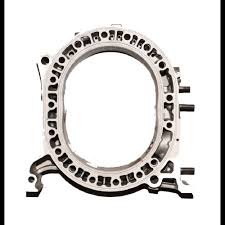
1. 12A Rotor Housings
The rotor housing is one of the most important components to identify correctly.
12A housings have their own dimensions and application-specific designs. Mazda Motorsports catalogs list specific 12A rotor housing components, including 12A housings used for different applications and production periods.
The housing can also differ depending on whether the engine is being used in a standard configuration or has been modified for porting.
When buying a replacement housing, check:
- Exact 12A application
- Front or rear position
- Production year
- Exhaust-port configuration
- Housing condition
- Surface condition
- Port modifications
- Availability of usable sealing surfaces
Don’t assume every 12A rotor housing is interchangeable.
Why the Housing Matters
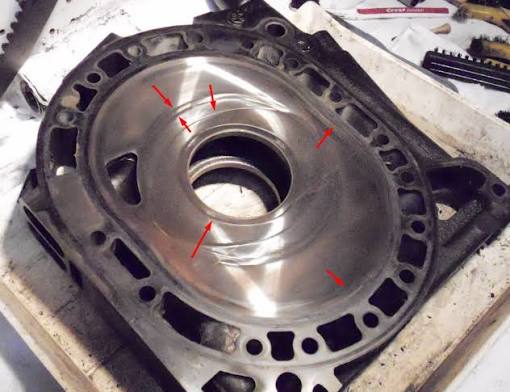
The rotor housing provides the trochoid surface against which the rotor seals operate.
Damage, excessive wear, corrosion, or incorrect dimensions can affect engine sealing and make an otherwise good set of internal parts unusable.
For a rebuild, the housing should be inspected and measured according to the specifications for the particular 12A application.
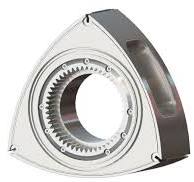
2. 12A Rotors
The rotor is another component that needs to be matched carefully.
Mazda’s historical rotary documentation identifies combustion-chamber designs that were specifically associated with the 12A, including P-10 and SLDR designs.
When sourcing a 12A rotor, check:
- Rotor design
- Combustion-chamber shape
- Seal grooves
- Rotor bearing location
- Gear condition
- Surface condition
- Compatibility with the eccentric shaft and housings
A rotor from another Mazda rotary should not be assumed to be a direct replacement simply because it has the same basic triangular shape.
3. 12A Apex Seal Components
Apex seals are an area where the term “12A-specific” needs some clarification.
There are apex seals and related components specifically cataloged for 12A applications, but some seal designs were also used across 12A and early 13B engines.
Mazda’s competition parts information, for example, lists certain apex-seal side pieces for both 12A and 13B applications while also listing specific 12A apex-seal springs.
The correct apex seal depends on factors such as:
- Engine generation
- Rotor design
- Seal groove dimensions
- Seal thickness
- Intended application
- Stock or modified configuration
Therefore, don’t order a 12A apex seal based solely on the engine’s displacement.
4. 12A Side Seals
Side seals are another component that can vary between rotary applications.
Mazda’s historical competition parts catalog lists side seals for both 12A and early 13B engines, showing that some side-seal components are shared rather than being exclusively 12A parts.
When buying side seals, verify:
- Correct engine generation
- Correct rotor
- Correct seal dimensions
- Correct springs
- Required clearances
Side seals should also be fitted and checked according to the specifications for the particular engine.
5. 12A Corner Seals
Corner seals follow a similar pattern.
Some corner-seal components were used across 12A and 13B applications. Mazda’s parts information lists 12A & 13B corner seals and related components rather than treating every early rotary seal as unique to one engine.
This is why it is better to search for parts using the complete engine identification and year, rather than simply searching for “12A rotary seals.”
6. 12A Eccentric Shaft
The eccentric shaft is a major component that should be matched carefully.
It connects the rotary assembly to the engine’s output and must work correctly with the rotors, bearings, gears, and housings.
Mazda Motorsports lists specific eccentric shafts in its rotary parts catalogs, including shafts associated with particular engine applications.
Before buying a used 12A eccentric shaft, inspect for:
- Journal wear
- Scoring
- Corrosion
- Damage
- Runout
- Oil-passage condition
A shaft that looks acceptable externally should still be measured before being installed in a rebuilt engine.
7. 12A Rotor Bearings
Rotor bearings are another component that requires correct identification.
Mazda’s 12A competition parts information lists stock rotor bearings for relevant applications, while other Mazda rotary engines use different bearing specifications or part numbers.
When ordering 12A rotor bearings, confirm:
- Engine application
- Bearing size
- Required clearance
- Rotor compatibility
- Eccentric-shaft compatibility
Don’t assume a bearing from a later 13B is interchangeable with a 12A simply because both engines have two rotors.
8. 12A Main Bearings
Main bearings should also be matched to the specific engine and eccentric shaft.
Some Mazda rotary bearing components were shared across multiple applications, while others were specific to particular engine generations.
For this reason, the correct approach is to identify the engine first and then select bearings using the appropriate Mazda parts information and measured clearances.
9. 12A Gaskets and O-Rings
Gaskets and O-rings are generally less visually distinctive than major rotary components, but they still need to match the engine.
Mazda’s competition catalog lists separate gasket and O-ring sets for different 12A production periods, demonstrating that even these components can change between applications.
When ordering a 12A gasket set, check:
- Engine year
- Engine configuration
- Housing arrangement
- Oil-seal O-rings
- Water seals
- Front and rear sealing components
A gasket set labeled simply “12A” may not be enough information for a precise parts order.
10. 12A Oil Seals
Oil seals are another component that should be matched carefully.
The rotary engine uses several sealing components to control oil and maintain separation between different areas of the engine.
Mazda’s parts catalog lists oil-seal components shared by certain 12A and 13B applications, illustrating that some parts are common across engines rather than being exclusively 12A.
The important thing is to match the seal to the exact application rather than assuming every 12A and 13B seal is interchangeable.
11. 12A Intake and Exhaust Components
Not all 12A parts are internal engine components.
The intake and exhaust configuration can vary depending on the Mazda model and production year.
This can include differences in:
- Intake manifolds
- Carburetor or fuel-system components
- Exhaust manifolds
- Exhaust ports
- Porting configuration
- Emissions equipment
The same basic 12A engine family was used in different vehicles and markets, so external components may not transfer directly between every application.
12. 12A Cooling and Lubrication Components
Cooling and lubrication components also deserve attention when rebuilding or converting a 12A.
Mazda’s historical rotary documentation shows that lubrication and cooling systems evolved over time, including changes to oil-injection and rotor-cooling arrangements.
Depending on the exact 12A, you may encounter differences in:
- Oil pump configuration
- Oil-injection components
- Rotor cooling
- Oil passages
- Water passages
- Cooling-system connections
This is another reason to identify the specific engine before ordering parts.
Which 12A Parts Are Actually Unique?
It is tempting to create a simple list of “12A-only” parts, but that can be misleading.
Some components are genuinely associated with specific 12A designs or dimensions, while others were shared with early 13B engines.
A more useful way to think about the parts is:
| Component | 12A-Specific? | Important Consideration |
|---|---|---|
| Rotor housing | Often application-specific | Check year, front/rear and dimensions |
| Rotor | 12A-specific designs exist | Verify rotor and combustion-chamber design |
| Apex seals | Some 12A-specific applications | Some designs overlap with 13B |
| Side seals | Not always | Some early 12A/13B parts are shared |
| Corner seals | Not always | Some components are shared |
| Eccentric shaft | Application-specific | Verify shaft and engine generation |
| Rotor bearings | Application-dependent | Confirm size and clearance |
| Main bearings | Application-dependent | Match shaft and housing specifications |
| Gaskets | Application-dependent | Production year matters |
| O-rings | Some shared | Verify exact application |
| Intake components | Model-dependent | Vehicle and market differences |
| Exhaust components | Model-dependent | Port and vehicle configuration matter |
| Oil/cooling components | Generation-dependent | Check engine configuration |
12A vs 13B: Can You Mix Parts?
Sometimes, but not automatically.
There are documented cases where Mazda rotary components were shared across 12A and 13B applications. Mazda’s parts catalogs explicitly identify several seals and related components as fitting both engine families.
There are also applications where 13B housings have been modified for use with a 12A engine, demonstrating that compatibility can involve specific dimensions and machining rather than simple bolt-on interchangeability.
For a standard rebuild, however, it is safer to use parts specifically confirmed for your engine rather than assuming interchangeability.
How to Identify the Correct 12A Parts
Before ordering anything, collect as much information about the engine as possible.
Check the engine’s:
- Production year
- Vehicle application
- Engine identification
- Rotor design
- Housing type
- Front and rear components
- Transmission configuration where relevant
- Stock or modified configuration
Then compare the part against a reliable parts catalog or factory service information.
This is particularly important for older 12A engines because Mazda changed components throughout the engine’s production history.
What Should You Replace During a 12A Rebuild?
If you’re rebuilding a 12A, don’t focus only on the large components.
A typical rebuild may require inspection or replacement of:
- Apex seals
- Apex seal springs
- Side seals
- Side seal springs
- Corner seals
- Corner seal springs
- Rotor bearings
- Main bearings
- Oil seals
- O-rings
- Water seals
- Gaskets
The major components—including rotors, rotor housings, side housings, and eccentric shaft—should be inspected and measured before deciding whether they can be reused.
Why Correct 12A Parts Identification Matters
Using the wrong rotary engine part can create problems during assembly even when the component appears to fit.
Potential issues include:
- Incorrect clearances
- Incorrect seal fit
- Poor sealing
- Oil leaks
- Coolant leaks
- Incorrect rotor-to-housing relationships
- Premature component wear
A rotary engine rebuild requires precision. The goal isn’t simply to find a part that physically fits—it is to find the component that matches the engine’s specifications.
Final Thoughts
The Mazda 12A shares many design principles and some components with other Mazda rotary engines, particularly early 13B applications. However, important components such as rotors, rotor housings, eccentric shafts, bearings, seals, and external engine components can vary by engine generation and application.
The safest approach is to identify the exact 12A first and then verify each component before ordering it.
If you’re rebuilding an older 12A, pay particular attention to the rotor housing, rotor, eccentric shaft, bearings, apex seals, side seals, corner seals, gaskets, and O-rings. Some will be shared with other Mazda rotary engines, while others require specific 12A dimensions or application details.
Correct parts identification can save time, prevent assembly problems, and help ensure that your rebuilt 12A performs as intended.
12A rotary engine parts 12A rotary engine parts 12A rotary engine parts12A rotary engine parts 12A rotary engine parts12A rotary engine parts12A rotary engine parts12A rotary engine parts 12A rotary engine parts 12A rotary engine parts 12A rotary engine parts 12A rotary engine parts 12A rotary engine parts