How to Identify a Mazda 13B Rotary Engine Before Buying Parts
Ordering a part based only on the word “13B” can therefore lead to a part that does not match your engine.
What Does 13B Mean?
The 13B is a two-rotor Wankel rotary engine with a nominal displacement of about 1.3 liters.
Unlike a conventional piston engine, the rotary engine uses triangular rotors that rotate inside epitrochoidal rotor housings.
The 13B designation identifies the engine family, but additional information is needed to determine the exact version.
Common 13B-related engines include:
- 13B naturally aspirated
- 13B turbo
- 13B-RE
- 13B-REW
- 13B-MSP Renesis
There are also different revisions within these families.
That is why identifying the exact engine is an important first step before ordering replacement parts.
Step 1: Identify the Vehicle and Engine Application
Start with the vehicle the engine came from.
If the engine is still installed, the car can provide an important starting point.
Mazda RX-7
The RX-7 was produced in three generations, and different rotary engines were used throughout its production.
The basic breakdown is:
- First-generation RX-7: primarily associated with the 12A, with some later applications using 13B
- Second-generation RX-7 FC3S: 13B naturally aspirated and turbocharged variants
- Third-generation RX-7 FD3S: 13B-REW twin-turbo engine
The exact market and production year still matter, particularly with imported Japanese-market vehicles.
For example, Mazda’s RX-7 VIN information can distinguish engine-related configurations in different generations, while the engine itself should still be inspected to confirm what is actually installed.
Mazda RX-8
The RX-8 uses the 13B-MSP Renesis.
This engine should not be treated as simply another version of the older RX-7 13B when ordering internal engine parts.
The Renesis moved its exhaust ports from the rotor housing to the side housings, making its architecture significantly different from earlier RX-7 13B engines.
Step 2: Look for the Engine Code
One of the most useful pieces of information is the engine code stamped or cast onto the engine.
On older Mazda rotary applications, the engine code and serial-number markings can be found on the rotor housing or related engine surfaces.
For example, an older RX-7 service document identifies the engine code on the rear rotor housing and the engine serial number on the front rotor housing.
Look for markings that can help identify the engine family or application.
However, don’t assume that one casting or serial marking tells you everything.
An engine may have been rebuilt, swapped, or assembled using components from another generation.
Take Clear Photos
If you are buying a used rotary engine, take photographs of:
- The front rotor housing
- The rear rotor housing
- Side housings
- Intake manifold
- Exhaust side
- Turbocharger area, if equipped
- Engine code or casting marks
- Serial-number markings
- Ignition components
- Any identification plates or labels
Good photographs can make parts identification much easier when speaking with a rotary-parts supplier.
Step 3: Check the Rotor Housing Markings
The rotor housings can provide useful clues about the engine.
Older rotary identification guides and enthusiast references commonly use housing markings, casting information, port arrangements, and other physical characteristics to distinguish different 13B generations.
Look for:
- Mazda casting marks
- Engine-family markings
- Housing numbers
- Series-related markings
- Casting differences
- Port configuration
Don’t rely on a single marking if the engine’s history is unknown.
A used engine may have had individual housings replaced during a previous rebuild.
Step 4: Examine the Intake and Exhaust Ports
The port arrangement is another useful way to narrow down the 13B variant.
Different 13B generations use different intake and exhaust-port configurations.
For example, the naturally aspirated FC 13B uses a different intake arrangement from the turbocharged FC engine, while the FD 13B-REW has its own intake and turbocharging configuration.
The 13B-MSP Renesis is even easier to separate from older RX-7 13Bs because its exhaust ports are located in the side housings rather than the rotor housing.
Why Port Identification Helps
If someone tells you they have a “13B,” ask:
- Is it naturally aspirated?
- Is it turbocharged?
- Which RX-7 did it come from?
- What year or series is it?
- Where are the exhaust ports?
- What intake manifold is fitted?
These questions can quickly eliminate several possible configurations.
Step 5: Determine Whether It Is Naturally Aspirated or Turbocharged
This is one of the easiest ways to narrow down the engine.
Naturally Aspirated 13B
Naturally aspirated 13Bs were used in several Mazda applications, including the RX-7.
The FC RX-7, for example, had a naturally aspirated 13B configuration. Some earlier 13B applications also appeared in Mazda models outside the RX-7.
Turbocharged 13B
Turbocharged 13B engines have additional components that can make identification easier.
Look for:
- Turbocharger
- Turbo exhaust manifold
- Intercooler plumbing
- Turbo-specific intake components
- Turbo oil and coolant lines
- Turbo-specific exhaust components
The FD RX-7’s 13B-REW is particularly recognizable because it uses a sequential twin-turbo arrangement.
However, turbo components can be swapped onto engines, so the presence of a turbocharger alone does not prove the exact engine variant.
Step 6: Check the Engine’s Ignition System
The ignition system can provide another clue.
Different 13B generations use different ignition arrangements.
For example, later FD 13B-REW engines use a different ignition configuration from earlier FC engines.
If you are trying to identify an unknown engine, photograph the:
- Ignition coils
- Distributor, if equipped
- Igniters
- Spark-plug wires
- Leading and trailing ignition components
Don’t use the ignition system as the only identification method, because components can be changed during engine swaps and rebuilds.
Step 7: Look at the Front and Rear Housings
The front and rear housings can provide additional clues.
The side housings and end plates changed across different generations of Mazda rotary engines.
Some older rotary enthusiasts use rear-plate markings and physical features to identify different 13B generations.
When buying a used engine, photograph both ends of the engine if possible.
Pay attention to:
- Bolt patterns
- Accessory mounting points
- Water passages
- Oil passages
- Inspection-cover arrangements
- Housing markings
This information can be particularly useful when the engine has been separated from its original vehicle.
Step 8: Check the Rotor and Apex-Seal Groove
If you are buying internal rebuild parts, identifying the rotor is extremely important.
The rotor determines compatibility for several components, including:
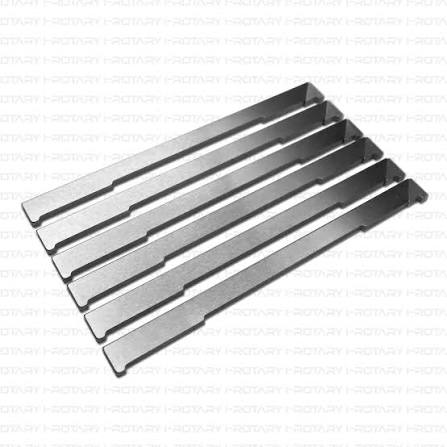
- Apex seals
- Apex springs
- Side seals
- Corner seals
- Rotor bearings
- Oil seals
Different 13B generations can use different sealing arrangements.
For example, rotary parts references identify different apex-seal configurations across FC, turbo, RE, and other 13B applications.
If the engine is already disassembled, measure and inspect the actual components rather than relying entirely on the vehicle model.
2 mm vs 3 mm Apex Seals
One common mistake is assuming that all 13B engines use the same apex-seal thickness.
They don’t.
Different 13B applications and aftermarket builds can use different apex-seal configurations.
Some FC-era 13B applications are associated with 2 mm apex seals, for example, while earlier 13B applications used different sealing specifications.
The correct seal depends on the actual rotor and groove configuration.
Before buying apex seals, confirm:
- Seal thickness
- Seal length and dimensions
- Rotor groove dimensions
- Apex spring configuration
- Rotor manufacturer
- Engine application
If aftermarket rotors are being used, follow the specifications supplied for those rotors.
Step 9: Check for a Turbo Model Code
If the engine came from an RX-7, determine whether it was originally naturally aspirated or turbocharged.
The FC generation had both naturally aspirated and turbocharged 13B versions.
The FD used the 13B-REW.
The Cosmo used the related 13B-RE configuration rather than the FD’s 13B-REW.
This distinction matters because turbo-specific components can include:
- Turbo housings
- Exhaust manifolds
- Intake components
- Injectors
- Oil lines
- Coolant lines
- Engine-management components
- Sensors
- Ignition components
A generic “13B part” may therefore not be appropriate for a turbo engine.
13B vs 13B-RE vs 13B-REW vs 13B-MSP
The engine names can look similar, but they describe different applications.
| Engine | Common Application | Key Identification Clue |
|---|---|---|
| 13B | Naturally aspirated Mazda rotary applications | No factory turbocharger |
| 13B-T | Turbocharged 13B applications | Factory turbo system |
| 13B-RE | Mazda Cosmo | Twin-turbo Cosmo configuration |
| 13B-REW | Mazda RX-7 FD | Sequential twin-turbo RX-7 configuration |
| 13B-MSP | Mazda RX-8 | Renesis side-exhaust-port design |
These are broad identification categories, not a substitute for confirming the exact engine and production series.
The 13B-REW is associated with the FD RX-7, while the 13B-MSP is the Renesis used in the RX-8.
How to Identify a 13B-REW
If you believe you have an FD RX-7 engine, there are several clues to look for.
The 13B-REW is associated with the third-generation RX-7 and uses a sequential twin-turbo system.
Check for:
- FD RX-7 application
- Twin-turbo hardware
- Factory-style sequential turbo plumbing
- Appropriate intake system
- Engine identification markings
- Rotor-housing and side-housing configuration
If the engine has been modified, don’t rely solely on the turbo arrangement.
A modified 13B can have aftermarket turbochargers, intake systems, engine management, and other components.
How to Identify a 13B-MSP Renesis
The 13B-MSP is easier to distinguish because it belongs to the RX-8 and has a different port architecture.
One of its defining characteristics is its side exhaust-port arrangement.
The exhaust ports were moved from the rotor housing to the side housings compared with earlier Mazda rotary designs.
If you are buying parts for an RX-8 Renesis, don’t order older RX-7 13B rebuild components simply because the engine is labeled “13B.”
The Renesis requires its own application-specific parts.
What Information Should You Give a Parts Supplier?
If you want a supplier to identify the correct part, give them as much information as possible.
A useful parts-identification request should include:
Vehicle: Mazda RX-7
Generation: FC or FD
Year: Exact year if known
Engine: 13B / 13B-T / 13B-REW, etc.
Naturally aspirated or turbo: Yes/No
Series: If known
Rotor: Stock or aftermarket
Engine condition: Assembled or disassembled
Existing part number: If visible
Photos: Engine from multiple angles
This is much more useful than simply saying:
“I need parts for a 13B.”
Buying Parts for an Unknown 13B
Sometimes you buy a rotary engine separately and have no idea what vehicle it came from.
In that situation, don’t immediately order a complete rebuild kit.
Start with identification.
First, Photograph the Engine
Take detailed photographs of every side.
Second, Record Every Marking
Write down:
- Casting numbers
- Engine codes
- Serial numbers
- Housing markings
- Part numbers
- Labels
Third, Identify the Major Components
Determine:
- Rotor type
- Housing type
- Intake arrangement
- Exhaust arrangement
- Ignition system
- Turbo system
- Accessory configuration
Fourth, Disassemble and Inspect if Necessary
If the engine is being rebuilt anyway, inspection can reveal information that is impossible to determine from the outside.
The rotor, apex grooves, housings, seals, and internal components can tell you much more about the actual configuration.
Don’t Trust the Seller’s Description Alone
When buying a used 13B engine online, descriptions such as:
- “13B engine”
- “RX-7 motor”
- “FD rotary”
- “13B turbo”
- “JDM 13B”
are not enough information to order every component.
Ask the seller for photographs of the actual engine.
You can request:
- Engine-code photos
- Rotor-housing photos
- Intake photos
- Exhaust-side photos
- Turbo photos
- Serial-number photos
- Photos of the rotor if the engine is disassembled
This gives you a much better starting point for parts identification.
Common 13B Identification Mistakes
Mistake 1: Assuming Every 13B Is the Same
The 13B family includes multiple generations and applications.
Mistake 2: Identifying the Engine Only by the Car
An RX-7 may have had its original engine replaced.
A chassis does not guarantee that the current engine is factory-original.
Mistake 3: Buying Parts From a Generic 13B Listing
A part listed for “13B” may apply only to a particular generation.
Mistake 4: Ignoring Aftermarket Components
Previous owners may have installed:
- Aftermarket rotors
- Different apex seals
- Performance housings
- Turbo components
- Racing ignition
- Different intake systems
Mistake 5: Ignoring the Engine Series
Two engines that both say 13B can have substantially different components.
13B Parts You Should Verify Before Ordering
Once you have identified your engine, verify the application for every major component.
Engine Internals
Check:
- Apex seals
- Apex springs
- Side seals
- Corner seals
- Rotor bearings
- Oil seals
- Eccentric shaft
- Rotors
Housing Components
Check:
- Rotor housings
- Side housings
- Front housing
- Rear housing
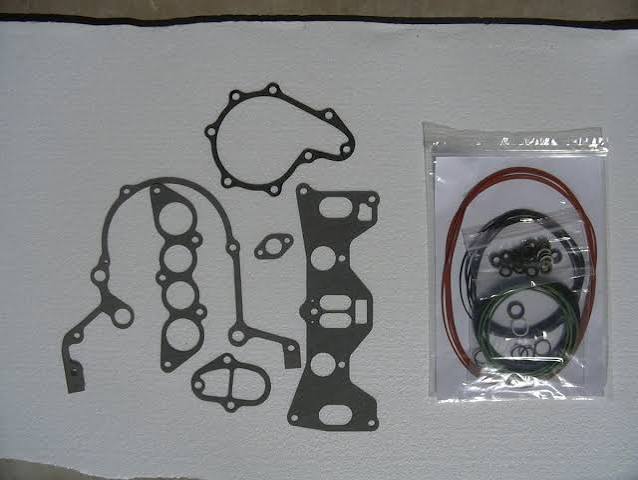
- Water seals
- O-rings
- Housing hardware
External Components
Check:
- Intake manifold
- Throttle body
- Fuel injectors
- Ignition components
- Sensors
- Oil metering components
- Water pump
- Alternator
- Starter
Turbo Components
For turbocharged engines, also verify:
- Turbocharger
- Exhaust manifold
- Intercooler plumbing
- Wastegate system
- Oil lines
- Coolant lines
- Intake plumbing
A Simple 13B Identification Checklist
Before ordering parts, answer these questions:
- What Mazda model did the engine come from?
- What year was it built?
- Is it an RX-7 or RX-8 engine?
- Is it naturally aspirated or turbocharged?
- Is it a 13B, 13B-T, 13B-RE, 13B-REW, or 13B-MSP?
- What series is it?
- Are the rotors original?
- Are the rotor housings original?
- What markings are stamped or cast on the housings?
- Are aftermarket parts installed?
- What exact part are you trying to replace?
If you can answer these questions, identifying compatible parts becomes much easier.
Frequently Asked Questions
How do I know if my Mazda engine is a 13B?
Start by checking the engine and rotor-housing identification markings, then compare the engine’s physical configuration with the vehicle and production year it came from. Older Mazda service information identifies engine codes on the rotor housing.
Is every 13B engine the same?
No. Mazda produced multiple 13B configurations over several decades. The 13B-REW used in the FD RX-7 and the 13B-MSP Renesis used in the RX-8 are examples of significantly different applications.
How do I identify a 13B-REW?
The 13B-REW is associated with the FD RX-7 and its sequential twin-turbo system. Check the engine markings and physical configuration rather than relying on the turbochargers alone.
How do I identify a Renesis 13B?
The Renesis is the 13B-MSP used in the RX-8. Its side-exhaust-port design is one of its major distinguishing characteristics.
Can an FC RX-7 have different 13B engines?
Yes. FC RX-7 models included naturally aspirated and turbocharged 13B configurations, with differences between production series.
Can I use any 13B rebuild kit on my engine?
No. Always verify that the rebuild kit is specifically compatible with your engine generation, rotor configuration, and other components. A generic “13B rebuild kit” description is not enough by itself.
Does the VIN identify the engine?
The vehicle identification information can help determine the original vehicle and factory engine configuration, particularly for certain RX-7 generations. However, a VIN does not prove that the current engine is still the original engine after years of swaps or rebuilds.
Final Thoughts
Identifying a Mazda 13B before buying parts can save you from ordering components that look correct but do not actually belong on your engine.
The most important thing to remember is that 13B is an engine family, not a single universal specification.
Start with the vehicle and year, then check the engine markings, rotor housings, intake and exhaust configuration, turbo system, ignition system, and other physical characteristics. If the engine has been modified or swapped, identify the actual components rather than relying on the original vehicle specifications.
For internal rebuild parts such as apex seals, side seals, bearings, rotors, and housings, go one step further and verify the exact rotor and housing configuration.
When buying a used engine, ask for clear photographs and identification markings before ordering parts.
The more accurately you identify your 13B, the easier it is to find the right Mazda rotary engine parts the first time.
how to identify a Mazda 13B rotary engine how to identify a Mazda 13B rotary engine how to identify a Mazda 13B rotary engine how to identify a Mazda 13B rotary engine how to identify a Mazda 13B rotary engine how to identify a Mazda 13B rotary engine how to identify a Mazda 13B rotary engine how to identify a Mazda 13B rotary engine