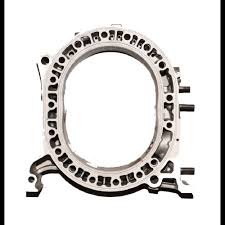
Rotary Engine Corner Seals: Symptoms of Wear and What to Check
When people talk about rebuilding a Mazda rotary engine, apex seals usually get most of the attention. But a rotary engine depends on several sealing components working together, and corner seals are an important part of that system.
Corner seals sit at the ends of the rotor’s side-seal grooves and help close the transition between the rotor’s apex, side, and corner sealing areas. Their condition and fit can affect how effectively the rotor maintains combustion-chamber sealing.
If you’re inspecting a used rotor or rebuilding a 12A, 13B, 13B-REW, 13B-MSP, or 20B, understanding corner seals can help you identify worn components before the engine goes back together.
Here’s what rotary engine corner seals do, what symptoms may point to a problem, and what you should check during a rebuild.
What Are Rotary Engine Corner Seals?
Rotary engine corner seals are small sealing components installed in the corners of the rotor.
They work with the:
- Apex seals
- Side seals
- Corner-seal springs
- Rotor housing
- Side housings
Together, these components create the sealing system that keeps the combustion chambers separated as the rotor moves through the housing.
Corner seals are positioned where the side-seal system meets the rotor’s corner areas. This makes their relationship with the side seals particularly important.
A rotary rebuild kit normally treats corner seals, side seals, and their springs as separate components. Current rebuild-kit listings for Mazda 12A, 13B, 13B-MSP, and 20B applications demonstrate that the exact corner-seal components vary by engine.
What Do Rotary Engine Corner Seals Actually Do?
The primary job of a corner seal is to help maintain the seal between the rotor and the side housing around the areas where the side seals terminate.
Think of the rotor sealing system as a continuous boundary.
The apex seals handle the rotor tips, while the side seals and corner seals help complete the sealing arrangement around the sides of the rotor.
A simplified way to visualize it is:
Apex seal → corner area → side seal → corner area → apex seal
The components have different jobs, but they must work together.
If a corner seal is damaged, incorrectly fitted, stuck, or has excessive clearance, replacing the apex seals alone may not correct the sealing problem.
Where Are Corner Seals Located?
Corner seals are installed into the rotor’s corner areas, alongside the side-seal arrangement.
Their exact shape and design depend on the rotary engine.
That’s important because a corner seal for an older 12A should not automatically be assumed to fit a later 13B or 13B-MSP.
For example, aftermarket rebuild kits list different corner-seal applications for early 12A engines, RX-7 13B engines, RX-8 13B-MSP engines, and the three-rotor 20B.
Always identify the exact rotor and engine before ordering replacement seals.
Corner Seals vs Apex Seals
Corner seals and apex seals are not interchangeable and do not perform the same job.
Apex Seals
Apex seals are installed at the three tips of the rotor.
They maintain contact with the rotor housing as the rotor moves through its cycle.
Corner Seals
Corner seals are located in the rotor’s corner areas and work with the side-seal system.
They help maintain sealing around the side of the rotor and the transition between sealing components.
Side Seals
Side seals are installed around the sides of the rotor and help seal against the side housings.
The three components should be considered as parts of one sealing system rather than completely independent components.
What Are the Symptoms of Worn Corner Seals?
Corner seals are internal engine components, so there usually isn’t one external symptom that proves they are worn.
Instead, a problem may appear as part of a broader sealing or compression issue.
Potential signs include:
- Low or uneven compression
- Difficult starting
- Reduced engine performance
- Increased blow-by
- Poor combustion sealing
- Abnormal wear found during teardown
- Damaged or chipped seals
- Excessive clearance during inspection
However, these symptoms are not specific to corner seals.
Apex seals, side seals, rotor housings, side housings, eccentric-shaft problems, and other engine conditions can produce similar symptoms.
That’s why a rotary engine should be diagnosed as a complete system rather than blaming one seal based on a single symptom.
What Does a Damaged Corner Seal Look Like?
Once the rotor is removed, you can perform a much more useful inspection.
Look for:
Cracks
A cracked corner seal should not be reused.
Chips or Broken Edges
Damaged edges can interfere with the seal’s ability to maintain the intended sealing relationship.
Excessive Wear
A heavily worn seal may no longer have the correct dimensions or contact relationship.
Carbon Deposits
Heavy carbon buildup can interfere with seal movement.
Scoring or Abnormal Contact
Unusual marks can indicate that the seal has been moving incorrectly or contacting another component abnormally.
Sticking in the Groove
A corner seal should be able to function correctly within its groove. Carbon buildup, corrosion, damage, or an incorrect part can interfere with movement.
What Causes Rotary Corner Seal Wear?
Several factors can contribute to corner-seal problems.
Normal Wear
Corner seals operate inside a high-temperature, high-load engine environment.
Like other sealing components, they can wear over time.
Incorrect Clearance
Clearance is critical to rotary sealing.
A seal that has excessive clearance may not provide the intended sealing relationship.
A seal that is fitted too tightly can also create problems.
The correct specification depends on the particular engine.
Carbon Buildup
Carbon deposits can accumulate around the rotor and seal grooves.
Excessive buildup can interfere with seal movement.
Damaged Seal Grooves
The corner seal is only as good as the groove that holds it.
If the groove is damaged, worn, or contaminated, installing a new seal may not solve the problem.
Overheating
Severe overheating can damage rotary engine components and may affect the sealing system.
If a rotor comes from an engine that suffered a serious overheating event, the complete rotor and housing assembly should be inspected rather than replacing individual seals blindly.
Incorrect Installation
Using the wrong seal or installing components without checking the correct orientation, springs, and clearances can create problems during operation.
How Do Corner Seals Work With Side Seals?
This is one of the most important parts of understanding rotary engine sealing.
The ends of the side seals meet the corner-seal areas of the rotor.
That means the clearance between these components matters.
Mazda’s published side-seal inspection procedure specifically instructs the builder to assemble the side and corner seals and measure the clearance between both ends of the side seal and the corner seal. For the procedure covered by that document, the stated standard clearance is 0.05–0.15 mm, with a maximum of 0.4 mm. Those measurements are specific to that application and should not be treated as universal specifications for every Mazda rotary.
This is an important lesson:
Do not guess rotary seal clearances. Use the specifications for the exact engine being rebuilt.
How to Inspect Rotary Engine Corner Seals
A proper inspection starts with the rotor removed from the engine.
1. Clean the Rotor
Remove carbon, oil residue, and debris before judging the condition of the seals or grooves.
A dirty rotor can hide cracks, wear, or damage.
2. Remove the Corner Seals Carefully
Don’t damage the seal groove while removing the old component.
If the groove itself is damaged, installing a new corner seal will not correct the underlying problem.
3. Inspect the Corner Seal
Look for:
- Cracks
- Chips
- Broken edges
- Excessive wear
- Carbon buildup
- Deformation
- Abnormal contact marks
4. Inspect the Corner-Seal Groove
Check for:
- Carbon deposits
- Burrs
- Corrosion
- Damage
- Excessive wear
- Anything preventing proper seal movement
5. Inspect the Springs
Many rotary rebuild kits include dedicated corner-seal springs.
Inspect the spring and make sure the correct spring is matched with the correct corner seal.
Current rebuild kits commonly list corner seals and corner-seal springs as separate components.
6. Inspect the Side Seals
Because the corner and side seals work together, inspect both at the same time.
Check the side-seal ends and their relationship with the corner seals.
7. Measure the Required Clearances
Use the service specifications for your engine.
Do not substitute measurements from a different rotary model simply because it is also a 12A or 13B.
Why Corner-Seal Clearance Matters
A rotary engine needs controlled clearances between its moving sealing components.
If the gap is too large, combustion gases can find additional paths through the sealing system.
If the fit is too tight, the component may not have enough room for normal movement and thermal changes.
This is why experienced rotary engine builders don’t simply install a new set of seals and assume the job is finished.
The seals need to be:
- Correct for the engine
- Correct for the rotor
- Correctly installed
- Properly supported by their springs
- Checked for appropriate clearance
Can Worn Corner Seals Cause Low Compression?
They can contribute to sealing problems, but low compression should never automatically be blamed on corner seals.
Rotary compression is influenced by the condition of several components, including:
- Apex seals
- Side seals
- Corner seals
- Rotor housings
- Side housings
- Rotor condition
- Eccentric shaft and bearings
- Engine assembly and clearances
If a rotary engine has low compression, diagnose the entire sealing system.
Replacing corner seals without inspecting the other components may leave the actual problem untouched.
Should You Replace Corner Seals During a Rotary Rebuild?
When performing a complete rotary rebuild, corner seals are commonly included as part of the rebuild sealing package.
Current rebuild kits for different Mazda rotary engines include dedicated corner seals and corner-seal springs alongside apex and side seals.
Whether an individual used seal can technically be reused depends on its condition and the manufacturer’s requirements.
But if you’re already tearing down an engine and replacing the major sealing components, using properly matched replacement corner seals allows the sealing system to be inspected and fitted as a complete assembly.
Are Corner Seals the Same on Every Rotary Engine?
No.
This is one of the most important things to understand before ordering rotary rebuild parts.
Different Mazda rotary engines can use different:
- Corner-seal designs
- Seal dimensions
- Springs
- Rotor designs
- Clearance specifications
- Sealing arrangements
For example, parts listings identify different corner-seal applications for early 12A, RX-7 13B, RX-8 13B-MSP, and 20B engines.
Therefore, avoid ordering a generic “Mazda rotary corner seal” without confirming the engine application.
Corner Seals on 12A Rotary Engines
The 12A is an older two-rotor Mazda engine used in several applications, including early RX-7 models.
Rebuild kits for 1979–1985 RX-7 12A engines list dedicated corner seals and corner-seal springs alongside the engine’s apex and side seals.
If you’re rebuilding a 12A, identify the exact engine and year before ordering parts.
Older rotary engines can also have components that have been replaced or modified during previous rebuilds, so inspecting the actual rotor is important.
Corner Seals on 13B Rotary Engines
The term 13B covers multiple generations and configurations.
A 13B used in an earlier Mazda application is not necessarily built with exactly the same sealing components as a later RX-7 or RX-8 rotary.
For example, current rebuild-part listings separate early 13B applications from later RX-7 and RX-8 engines and specify different seal packages.
If you’re buying corner seals for a 13B, confirm the engine generation and rotor before placing the order.
Corner Seals on the 13B-REW
The 13B-REW is associated with the third-generation FD RX-7.
Because it is a specific engine configuration, its rebuild components should be selected specifically for the 13B-REW rather than assuming every 13B seal is interchangeable.
This becomes especially important when buying aftermarket rebuild kits where different apex-seal sizes, corner-seal designs, and side-seal options may be available.
Corner Seals on the 13B-MSP Renesis
The 13B-MSP used in the Mazda RX-8 has its own sealing arrangement and should be treated as a separate application when purchasing rebuild components.
Current RX-8 rebuild kits list dedicated 13B-MSP corner seals, corner-seal springs, side seals, and apex-seal components.
Don’t assume that a corner seal designed for an RX-7 13B will automatically fit a Renesis rotor.
Corner Seals on the 20B
The 20B is a three-rotor Mazda rotary engine, so its rebuild parts are different from a two-rotor engine.
Current 20B rebuild kits list dedicated corner seals and corner-seal springs as part of the three-rotor sealing package.
When rebuilding a 20B, the complete three-rotor configuration needs to be considered when ordering seals.
Common Corner-Seal Mistakes
Buying Based Only on “13B”
A 13B engine code does not always tell you everything you need to select the correct sealing components.
Identify the exact engine and rotor.
Ignoring the Corner-Seal Springs
The seal and its spring work as a system.
Don’t treat the spring as an optional detail.
Skipping Clearance Measurements
A new seal isn’t automatically correctly fitted.
Check the applicable specifications.
Reusing Damaged Seals
Cracked, chipped, badly worn, or otherwise damaged seals should not simply be installed because they look usable at first glance.
Ignoring the Side Seals
The side and corner seals interact directly.
Inspect them together.
Assuming New Parts Fix Everything
New corner seals cannot compensate for a damaged rotor, worn groove, damaged housing, or incorrect assembly.
What Should You Check Before Buying Rotary Corner Seals?
Before ordering, gather as much information as possible about the engine.
Check:
- Engine family
- Engine generation
- Vehicle application
- Rotor type
- Number of rotors
- Existing seal dimensions where appropriate
- Corner-seal design
- Corner-seal springs
- Side-seal application
- Apex-seal application
- OEM or aftermarket requirements
- Intended use of the engine
This information makes it much easier to avoid ordering the wrong rebuild parts.
Rotary Engine Corner Seal Inspection Checklist
Use this checklist when inspecting a rotor:
- Correct corner seals identified
- Correct corner-seal springs identified
- Corner seals removed carefully
- Seals inspected for cracks
- Seals checked for chips and broken edges
- Corner-seal grooves cleaned
- Grooves checked for damage
- Springs inspected
- Side seals inspected
- Side-seal ends checked against corner seals
- Applicable clearances measured
- Rotor inspected
- Rotor housing inspected
- Side housings inspected
- Engine-specific specifications confirmed
Frequently Asked Questions
What does a corner seal do in a rotary engine?
A corner seal helps maintain sealing around the corner areas of the rotor and works with the side seals and other rotor sealing components.
What are the symptoms of bad rotary corner seals?
Possible symptoms include compression or sealing problems, difficult starting, reduced performance, and increased blow-by. However, these symptoms can also be caused by apex seals, side seals, housings, or other engine components.
Are rotary corner seals important?
Yes. Corner seals are part of the rotor’s overall sealing system and need to work correctly with the side and apex seals.
Can you reuse rotary engine corner seals?
It depends on the condition of the seals and the requirements for the specific engine. During a complete rebuild, damaged or worn sealing components are normally replaced rather than reused.
Do 12A and 13B rotary engines use the same corner seals?
Not necessarily. Different Mazda rotary applications can use different corner seals, springs, and sealing specifications. Verify the exact engine before ordering.
Are 13B-REW and 13B-MSP corner seals the same?
They should not be assumed to be interchangeable. The 13B-REW and 13B-MSP are different engine applications with different component configurations.
How do you inspect a rotary corner seal?
Remove and clean the rotor, inspect the corner seal and groove for damage or deposits, inspect the spring, examine the side seals, and measure the relevant clearances according to the service information for the engine.
Can corner seals cause low compression?
A problem with the corner-seal system can contribute to poor sealing, but low compression can have many causes. The apex seals, side seals, rotor housings, side housings, and other components should also be inspected.
Should corner seals be replaced during a rotary rebuild?
If you’re performing a complete rebuild, corner seals are commonly included with the sealing components of the rebuild package. The exact parts should be matched to the engine and rotor being rebuilt.
Final Thoughts
Rotary engine corner seals are small components, but they play an important role in the overall rotor sealing system.
They work closely with the side seals, apex seals, springs, rotor, and housings. Because of that, a corner-seal problem shouldn’t be diagnosed or repaired in isolation.
If you’re rebuilding a Mazda rotary, inspect the corner seals carefully for cracks, chips, wear, carbon buildup, and groove damage. Check the springs and measure the relevant clearances using specifications for the exact engine.
Most importantly, don’t assume that every Mazda rotary uses the same corner seals.
Whether you’re rebuilding a 12A, 13B, 13B-REW, 13B-MSP, or 20B, identify the exact application before ordering parts.
A careful inspection and correctly matched sealing components can make a major difference in the quality of a rotary engine rebuild.
rotary engine corner seals rotary engine corner seals rotary engine corner seals rotary engine corner seals rotary engine corner seals rotary engine corner seals rotary engine corner seals rotary engine corner seals rotary engine corner seals rotary engine corner seals rotary engine corner seals rotary engine corner sealsrotary engine corner seals rotary engine corner seals rotary engine corner seals rotary engine corner seals