What Are Rotary Engine Dowel Pins and Why Are They Important?
When rebuilding a Mazda rotary engine, most of the attention goes to major components such as the rotor housings, rotors, eccentric shaft, apex seals, and bearings. However, smaller components can be just as important for getting the engine assembled correctly.
Rotary engine dowel pins are a good example.
Dowel pins help accurately locate and align the major sections of the rotary engine during assembly. They are not simply extra pieces of hardware used to hold the engine together. Their job is to help establish the correct position between components such as the housings and side plates.
A damaged, missing, incorrectly positioned, or unsuitable dowel pin can create assembly problems and may affect how the engine components fit together.
If you’re rebuilding a Mazda rotary, understanding what dowel pins do and how to inspect them can help prevent avoidable problems.
What Is a Rotary Engine Dowel Pin?
A dowel pin is a precisely manufactured locating pin used to position engine components relative to one another.
Unlike a normal bolt, a dowel pin is primarily used for accurate alignment and location.
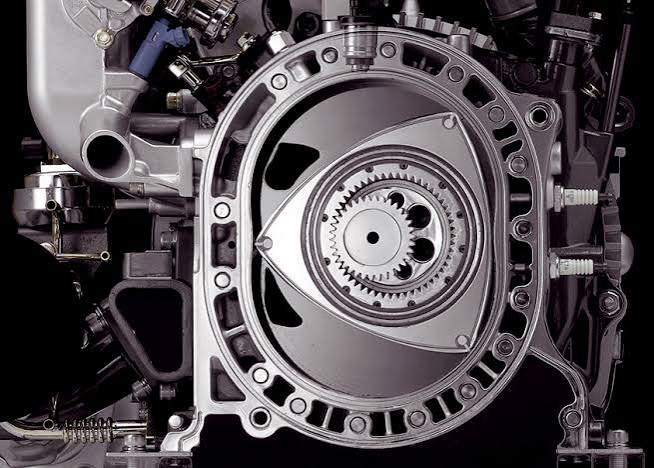
In a Mazda rotary engine, dowel pins help maintain the correct relationship between the engine’s major stationary components.
Depending on the engine design, these components can include:
- Front housing
- Rotor housings
- Side housings
- Intermediate housings on applicable engines
- Other components that require precise location
The bolts provide clamping force, while the dowel pins help establish and maintain the correct position of the components.
This distinction is important during a rebuild.
What Do Dowel Pins Do in a Rotary Engine?
The main purpose of a rotary engine dowel pin is accurate component alignment.
When the engine is assembled, the housings and plates need to sit in the correct relationship to one another. The dowel pins provide locating points that help prevent unwanted movement between the components.
In simple terms:
Bolts clamp the engine together. Dowel pins help locate the parts correctly.
This is why dowel pins should not be treated as optional hardware.
Dowel Pins Help Maintain Alignment
The major sections of a rotary engine are machined to work together as an assembly.
The dowel pins help locate these components during installation so that the correct relationship between the housings and plates is maintained.
They Help Prevent Incorrect Positioning
Without the correct locating features, it would be easier for components to shift from their intended position during assembly.
The dowels provide a more precise locating method than relying on bolts alone.
They Are Part of the Engine’s Assembly System
Dowel pins should therefore be considered part of the engine’s locating and alignment system rather than simply another fastener.
Where Are Rotary Engine Dowel Pins Located?
The exact location and number of dowel pins depend on the Mazda rotary engine being rebuilt.
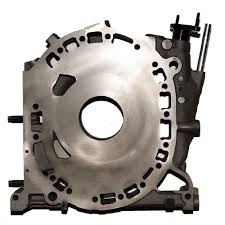
They are generally associated with the mating surfaces of the engine housings and plates.
When a rotary engine is disassembled, you may find dowel pins installed in one component while the corresponding component contains the locating hole.
The exact arrangement varies between engine families and generations.
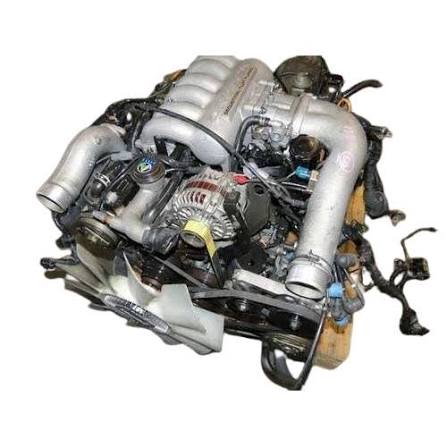
This is one reason why you should identify the exact engine before ordering replacement rotary engine parts.
A 12A, 13B, 13B-REW, and 13B-MSP should not automatically be assumed to use identical locating components.
Why Are Dowel Pins Important During a Rotary Engine Rebuild?
Dowel pins become especially important when an engine is being rebuilt because the housings and plates have been separated.
During disassembly, it is easy to overlook small locating components.
A rebuild may involve cleaning, machining, replacing seals, checking housings, inspecting the eccentric shaft, and installing new bearings. In the middle of all that work, a small dowel pin can seem insignificant.
It isn’t.
The locating system needs to be complete and correctly assembled before the engine is put back together.
They Help Establish Correct Housing Alignment
The side housings, rotor housings, and other major sections must be positioned correctly relative to each other.
The dowel pins help establish that position.
They Help With Repeatable Assembly
A properly designed locating system allows the components to return to their intended position during assembly.
This is particularly useful when an engine has been completely disassembled.
They Work Alongside the Fasteners
Dowel pins and engine bolts perform different functions.
The bolts provide the clamping force necessary to hold the assembly together.
The dowel pins provide locating and alignment.
Both are important.
What Happens If a Rotary Engine Dowel Pin Is Missing?
A missing dowel pin should not simply be ignored.
The effect depends on the specific location and engine design, but removing a locating component from an assembly can compromise the intended alignment system.
A missing dowel may also make assembly more difficult because the components no longer have all of their intended locating points.
If you discover that a dowel pin is missing during a rebuild, identify the correct component and verify the required assembly procedure before continuing.
Don’t assume that an ordinary hardware-store pin is an acceptable replacement.
What Happens If a Dowel Pin Is Damaged?
Dowel pins are designed to provide accurate locating surfaces.
Inspect them for obvious damage such as:
- Bending
- Deep scratches
- Significant corrosion
- Deformation
- Excessive wear
- Damaged locating surfaces
- Signs of movement or fretting
A heavily damaged dowel may no longer provide the intended locating function.
The mating hole should also be inspected.
Replacing a damaged pin without checking the corresponding hole may leave the underlying problem unresolved.
Can Rotary Engine Dowel Pins Wear Out?
Dowel pins generally aren’t considered a routine replacement item in the same way as seals or bearings.
However, that doesn’t mean they should automatically be reused.
A dowel can become damaged during:
- Engine disassembly
- Improper removal
- Corrosion
- Previous incorrect assembly
- Excessive movement between components
- Poor handling
If the dowel is damaged or its fit is questionable, it should be evaluated before reassembly.
The condition of the mating component is also important.
How to Inspect Rotary Engine Dowel Pins
Inspecting dowel pins is relatively straightforward.
1. Clean the Dowel
Remove oil, dirt, corrosion, and other deposits so the surface can be examined properly.
2. Inspect the Surface
Look for:
- Corrosion
- Scratches
- Gouges
- Deformation
- Excessive wear
- Damage to the locating surface
3. Check the Fit
The dowel should properly locate the relevant components.
If it appears loose where it is intended to be securely located, investigate the cause.
4. Inspect the Mating Hole
Don’t inspect only the pin.
Check the corresponding locating hole for:
- Damage
- Distortion
- Corrosion
- Debris
- Evidence of movement
5. Check for Previous Damage
If the engine has previously been rebuilt, look for evidence that someone forced the housings together or improperly removed the dowel.
Why You Should Not Force Rotary Engine Housings Together
This is an important point during assembly.
If the major sections of a rotary engine aren’t coming together correctly, don’t immediately reach for a hammer or attempt to force them into position.
Something may be preventing proper assembly.
Possible causes include:
- Incorrect component orientation
- Incorrect seal installation
- A misplaced component
- Debris on a mating surface
- Damaged dowel
- Incorrect dowel location
- Damaged locating hole
- Incorrect engine parts
Forcing components together can damage machined surfaces or locating components.
Instead, stop and identify what is preventing proper assembly.
Do Dowel Pins Affect Rotary Engine Seals?
Dowel pins do not perform the same job as rotary engine seals.
However, correct component alignment is important because the housings and plates form the surfaces around the internal sealing system.
Rotary engines use several types of seals, including:
- Apex seals
- Side seals
- Corner seals
- Oil seals
- Water seals
The dowel pins help locate the major engine components, while the seals provide the required sealing functions.
This is another reason not to overlook small locating components during a rebuild.
Dowel Pins vs Engine Bolts: What’s the Difference?
It’s useful to understand the difference between these two types of hardware.
| Component | Primary Function |
|---|---|
| Dowel pin | Locates and aligns components |
| Engine bolt | Clamps components together |
| Seal | Prevents unwanted gas, oil, or coolant leakage |
| Bearing | Supports rotating components |
| Stud | Provides a threaded fastening point |
A dowel pin should not be treated as a substitute for a bolt.
Likewise, bolts should not be relied upon to perform the same precise locating function as a dedicated dowel.
Can You Replace a Rotary Engine Dowel Pin With a Bolt?
Generally, you should not substitute a normal bolt for a locating dowel simply because it appears to fit.
A locating dowel and a bolt are designed for different purposes.
A bolt’s primary function is fastening and clamping.
A dowel’s primary function is locating.
If a particular Mazda rotary engine requires a dowel pin, use the correct component specified for that engine rather than improvising a substitute.
Can You Use Dowel Pins From Another Mazda Rotary Engine?
Don’t assume that dowel pins are interchangeable between rotary engines.
Even when two engines share similar architecture, the dimensions, locations, and assembly arrangements may differ.
Before using a dowel from another engine, verify:
- Engine family
- Component location
- Pin dimensions
- Fit
- Applicable Mazda service information
- Part compatibility
This is especially important when buying used Mazda rotary engine parts.
A part that physically appears similar isn’t necessarily the correct part.
What Should You Check When Buying Used Rotary Engine Parts?
If you’re purchasing used rotary engine components, small locating parts can easily be overlooked.
When inspecting a used engine or dismantled rotary engine, check whether the expected dowel pins are present.
A useful inspection list includes:
- Are all locating pins present?
- Are the pins straight?
- Is there significant corrosion?
- Are the locating surfaces damaged?
- Are the corresponding holes in good condition?
- Are any pins stuck or damaged?
- Are the housings free from obvious damage around the locating areas?
This can help you identify missing components before you begin the rebuild.
Should Dowel Pins Be Removed During a Rotary Engine Rebuild?
Not every dowel needs to be removed simply because the engine is being rebuilt.
If a dowel is correctly installed, undamaged, and does not need to be removed for the work being performed, there may be no reason to disturb it.
However, if the dowel needs to be removed, use an appropriate method rather than damaging the pin or the surrounding housing.
The correct removal procedure can depend on the particular component.
Common Rotary Engine Dowel Pin Mistakes
Several simple mistakes can create unnecessary problems during a rebuild.
Ignoring Missing Dowel Pins
A missing locating pin shouldn’t be dismissed just because the bolts still fit.
Installing the Wrong Pin
A pin that looks similar may not have the correct dimensions or fit.
Reusing a Damaged Pin
Corroded or deformed pins should be inspected carefully before reuse.
Ignoring the Locating Hole
The hole is just as important as the dowel.
Forcing Components Together
If housings aren’t seating correctly, find the cause instead of forcing them together.
Mixing Components Without Verification
Used rotary engine parts should be identified and checked before being mixed with components from another engine.
Rotary Engine Dowel Pin Rebuild Checklist
Before assembling a Mazda rotary engine, check:
- Correct engine identified
- Correct dowel locations identified
- Dowel pins present
- Pins cleaned
- No major corrosion
- No bending or deformation
- No obvious locating-surface damage
- Mating holes inspected
- Components correctly oriented
- No debris around locating surfaces
- Housings fit together correctly
- Correct assembly procedure followed
This small checklist can prevent a simple locating component from becoming a larger assembly problem.
Why Small Rotary Engine Parts Matter
A rotary engine rebuild involves many individual components.
Some are obviously important because they are large, expensive, or directly involved in combustion. Others are small and easy to overlook.
Dowel pins fall into the second category.
Their physical size doesn’t reflect their role in the assembly.
A properly assembled rotary engine depends on many components working together correctly, including:
- Housings
- Rotors
- Eccentric shaft
- Bearings
- Apex seals
- Side seals
- Corner seals
- Water seals
- Oil seals
- Dowel pins
- Fasteners
- Other locating and retaining components
When ordering Mazda rotary engine parts, identifying the exact engine and checking every component before assembly can save time and prevent unnecessary problems.
Final Thoughts
Rotary engine dowel pins are locating components that help position the major sections of a Mazda rotary engine correctly during assembly.
They are different from bolts because their primary purpose is alignment rather than clamping.
During a rebuild, inspect the dowel pins for corrosion, deformation, damage, and excessive wear. Also inspect the corresponding locating holes and make sure the engine components come together correctly without being forced.
Most importantly, don’t assume that a dowel pin from another Mazda rotary engine is interchangeable. Always verify the correct component and assembly arrangement for the engine you’re working on.
A good rotary rebuild isn’t only about replacing the major components. Small parts such as dowel pins also deserve careful attention because correct alignment is part of getting the entire engine assembly right.
rotary engine dowel pins rotary engine dowel pinsrotary engine dowel pinsrotary engine dowel pinsrotary engine dowel pinsrotary engine dowel pins rotary engine dowel pins rotary engine dowel pins rotary engine dowel pins rotary engine dowel pins rotary engine dowel pins rotary engine dowel pins rotary engine dowel pins rotary engine dowel pins rotary engine dowel pins rotary engine dowel pins