Mazda RX-7 Rotary Engine Parts: A Generation-by-Generation Guide
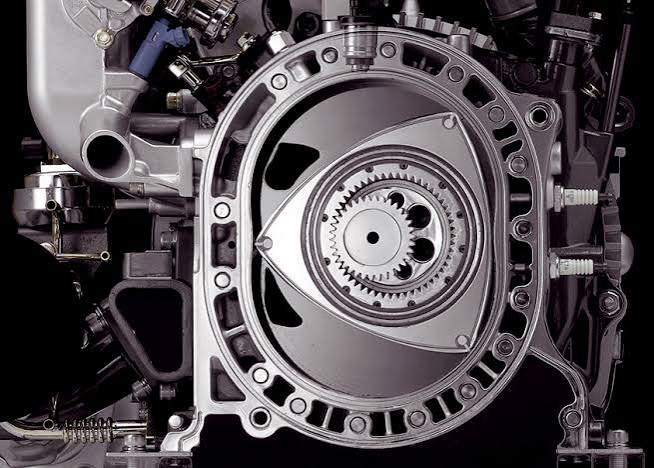
The Mazda RX-7 is one of the most recognizable rotary-powered sports cars ever built, but not every RX-7 uses the same rotary engine or the same engine parts.
Across three generations, Mazda evolved the RX-7 from the lightweight first-generation SA/FB with a 12A rotary into the FC with a 13B and finally the FD with the turbocharged 13B-REW.
That evolution matters when you’re buying Mazda RX-7 rotary engine parts.
A 12A rebuild kit is not the same as a 13B rebuild kit. An FC 13B should not automatically be treated as an FD 13B-REW. Even within the 13B family, Mazda’s own rebuild references separate different production periods and specifications.
Whether you’re restoring an early RX-7, rebuilding an FC, or sourcing parts for an FD project, the first step is identifying exactly which generation and engine you’re working with.
Mazda RX-7 Generations at a Glance
The RX-7 was produced through three major generations:
| RX-7 Generation | Common Chassis | Main Rotary Engine | Key Parts Consideration |
|---|---|---|---|
| 1st Generation | SA/FB | 12A | 12A-specific seals, rotors, housings and engine components |
| 2nd Generation | FC3S/FC | 13B | Different 13B parts depending on year and specification |
| 3rd Generation | FD3S | 13B-REW | Turbo-specific 13B components and FD-specific engine parts |
Mazda introduced the first-generation RX-7 in March 1978 with a two-rotor 12A. The second-generation RX-7 moved to the 13B, while the third-generation model launched in December 1991 with a 13B two-rotor engine and sequential twin turbochargers.
The important lesson is simple:
Shop for parts by engine and specification, not just by “RX-7.”
1. First-Generation Mazda RX-7: SA/FB
The first-generation RX-7 was introduced in 1978 and is commonly identified by the SA22C chassis designation and later FB applications.
Mazda’s historical information identifies the original RX-7 as a two-rotor 12A-powered sports car.
For a restoration or rebuild, the 12A is the starting point for your engine-parts search.
12A Rotary Engine Parts
Common internal 12A rebuild components include:
- Apex seals
- Apex springs
- Side seals
- Side-seal springs
- Corner seals
- Corner-seal springs
- Corner-seal plugs
- Oil seals
- Oil-seal springs
- Rotor bearings
- Main bearings
- Eccentric shaft
- Rotor housings
- Side housings
- Gaskets
- O-rings
- Front and rear main seals
Mazda Motorsports maintains a dedicated 12A rebuild-parts list, including specific stock apex seals, springs, corner seals, side seals and oil-seal components.
Apex Seals for the 12A
A stock 12A rebuild uses six apex seals because there are three apex seals per rotor and two rotors.
Mazda’s 12A rebuild reference lists the stock apex seal as N201-11-300B and the apex spring as 1011-11-304B.
This is an important example of why you should not simply search for “Mazda RX-7 apex seals.”
Search by the actual engine:
12A apex seals
rather than using the broader RX-7 term.
12A Rotor Housings
Rotor housings should be inspected before ordering replacements.
Check for:
- Deep scoring
- Apex-seal damage
- Corrosion
- Cracks
- Excessive wear
- Previous machining
- Damage around ports
The condition of the housing is particularly important because the apex seals operate directly against its inner surface.
12A Rotors
Inspect both rotors for:
- Apex-seal groove damage
- Side-seal groove wear
- Corner-seal damage
- Oil-seal groove damage
- Bearing-surface wear
- Cracks
- Corrosion
If the original rotors are reusable, you may only need replacement seals and bearings rather than complete replacement rotors.
2. Second-Generation Mazda RX-7: FC
Mazda introduced the second-generation RX-7 in the mid-1980s, replacing the first-generation 12A with a 13B rotary.
Mazda’s own history describes the FC as using a two-rotor 13B and identifies the generation as the second-generation Savanna RX-7.
This is where RX-7 parts shopping becomes more complicated.
The term 13B covers multiple configurations and production periods.
FC 13B Engine Parts
A typical FC 13B rebuild may require:
- Apex seals
- Apex springs
- Side seals
- Side-seal springs
- Corner seals
- Corner-seal springs
- Oil seals
- Oil-seal springs
- Rotor bearings
- Main bearings
- Eccentric shaft
- Rotor housings
- Side housings
- Gaskets
- Front and rear main seals
- Pilot bearing
Mazda maintains separate rebuild information for 1976–1985 13Bs and 1986–1992 13Bs, demonstrating that the 13B parts specification changed over time.
That distinction is particularly relevant when sourcing FC parts.
3. Early 13B vs Later FC 13B Parts
Not every 13B component is universal.
Mazda’s 1976–1985 13B rebuild list specifies:
- N304-11-300A stock apex seals
- 1757-11-304 apex springs
- 12 corner seals
- 12 side seals
- Associated oil-seal components.
For the 1986–1992 13B, Mazda lists:
- N351-11-C00C stock apex seals
- N326-11-C04A inner apex springs
- N326-11-C06C outer apex springs
- N326-11-C20A corner seals
- Other generation-specific sealing components.
This means that an FC owner should confirm the exact engine specification before ordering a rebuild kit.
“13B” is not enough information.
4. Naturally Aspirated vs Turbo FC Parts
The FC generation can also create confusion because the 13B platform was offered in different configurations depending on market and model.
When buying parts, determine whether your engine is:
- Naturally aspirated
- Turbocharged
- Stock
- Modified
- Rebuilt previously
This matters for components such as:
- Intake system
- Exhaust system
- Turbocharger components
- Sensors
- Engine management
- Gaskets
- Cooling components
- Oil-system hardware
If you’re rebuilding the short block, the internal components need to match the specific engine.
5. Third-Generation Mazda RX-7: FD
The third-generation RX-7 was introduced in Japan in December 1991.
Mazda describes the FD as using a two-rotor 13B engine with sequential twin turbochargers.
This is the generation most closely associated with the 13B-REW.
For parts shopping, the FD should be treated as a separate application from the earlier FC.
FD 13B-REW Engine Parts
A 13B-REW rebuild can require:
- Apex seals
- Apex springs
- Side seals
- Side-seal springs
- Corner seals
- Corner-seal springs
- Oil seals
- Oil-seal springs
- Rotor bearings
- Main bearings
- Eccentric shaft
- Rotor housings
- Front side housing
- Intermediate side housing
- Rear side housing
- Gaskets
- Main seals
- Pilot bearing
- Turbo-related components
Mazda’s 1993–1995 13B rebuild list identifies the specific components used for that production period, including the N351-11-C00C stock apex seal, inner and outer apex springs, side seals, oil seals, bearings, eccentric shaft and housings.
6. FD 13B-REW Apex Seals
Apex seals are one of the most frequently replaced components during a rotary rebuild.
For the 1993–1995 13B rebuild application, Mazda lists:
- Six stock apex seals
- Six inner apex springs
- Six outer apex springs
The same Mazda reference also lists optional ceramic apex-seal configurations.
The important point is not simply the quantity.
You need to match the:
- Seal thickness
- Seal material
- Spring configuration
- Rotor groove
- Engine application
- Housing
- Intended use
If you’re building a high-performance FD, don’t select apex seals based solely on what another RX-7 owner uses.
7. FD Rotor Housings
The FD’s rotor housings are another major component to inspect before ordering.
Look for:
- Apex-seal scoring
- Cracks
- Corrosion
- Wear
- Port damage
- Previous machining
- Heat damage
Mazda’s 1993–1995 rebuild reference identifies dedicated front and rear rotor housing components for that 13B application.
If your original housings are damaged, confirm the replacement is correct for your engine and intended build.
8. FD Eccentric Shaft
The eccentric shaft should always be inspected during a serious 13B-REW rebuild.
Check for:
- Journal scoring
- Wear
- Discoloration
- Oil-starvation damage
- Corrosion
- Runout
- Previous machining
Mazda’s 1993–1995 parts information identifies a specific eccentric shaft for the application.
Don’t order an eccentric shaft simply because the listing says “13B.”
Verify the application.
RX-7 Rotary Engine Parts by Generation
The following overview can help when organizing a parts catalog.
SA/FB — First Generation
Engine: 12A
Typical engine parts:
- 12A apex seals
- 12A side seals
- 12A corner seals
- 12A oil seals
- 12A bearings
- 12A eccentric shaft
- 12A rotors
- 12A rotor housings
- 12A side housings
- Gasket sets
Mazda’s 12A rebuild list provides a generation-specific parts reference.
FC — Second Generation
Engine: 13B
Typical engine parts:
- 13B apex seals
- Apex springs
- Side seals
- Corner seals
- Oil seals
- Rotor bearings
- Main bearings
- Eccentric shaft
- Rotors
- Rotor housings
- Side housings
- Gasket sets
The exact components depend on the production period and engine configuration.
FD — Third Generation
Engine: 13B-REW
Typical engine parts:
- 13B-REW apex seals
- Apex springs
- Side seals
- Corner seals
- Oil seals
- Rotor bearings
- Main bearings
- Eccentric shaft
- Rotors
- Rotor housings
- Side housings
- Gaskets
- Turbo-related components
Mazda’s 1993–1995 rebuild information provides a dedicated parts list for this later 13B application.
Which RX-7 Parts Are Shared Across Generations?
Some rotary engine parts perform the same basic function across generations, but that doesn’t mean they are interchangeable.
For example, every RX-7 rotary uses components such as:
- Apex seals
- Side seals
- Corner seals
- Rotors
- Rotor housings
- Eccentric shaft
- Bearings
- Oil seals
But the actual specifications can differ.
Mazda’s own rebuild documentation illustrates this clearly by maintaining separate lists for 12A, early 13B, 1986–1992 13B and 1993–1995 13B engines.
Think of these as categories of parts, not necessarily interchangeable parts.
RX-7 Apex Seals: What You Need to Know
If you’re shopping for RX-7 rotary engine parts, apex seals deserve special attention.
The first question should be:
Which engine do I have?
Then determine:
- Engine generation
- Engine code
- Rotor type
- Apex-seal groove
- Existing seal thickness
- Intended engine use
- Stock or modified configuration
For example, Mazda’s rebuild information lists different stock apex-seal part numbers for the 12A and different generations of 13B.
This is why buying a generic “RX-7 apex seal” can be risky.
RX-7 Rotor Housings: Inspect Before You Buy
Rotor housings are expensive compared with many of the small sealing components, so inspection is worthwhile before ordering replacements.
Check the Housing Surface
Look for:
- Deep scratches
- Apex-seal damage
- Cracks
- Corrosion
- Abnormal wear
- Previous machining
Check the Ports
Inspect the intake and exhaust port areas for:
- Cracks
- Damage
- Previous porting
- Unusual modifications
Confirm the Application
A housing should be matched to the engine generation.
Don’t assume a 12A housing, FC 13B housing and FD 13B-REW housing are interchangeable because they are all Mazda rotary components.
RX-7 Rotors: What Should You Inspect?
Before buying replacement rotors, inspect the originals.
Pay attention to:
Apex-Seal Grooves
Look for wear, burrs and damage.
Side-Seal Grooves
Make sure the seals can move correctly and that the grooves have not been damaged.
Corner-Seal Areas
Check for cracks, chips and excessive wear.
Bearing Surfaces
Inspect the rotor bearing areas for scoring or discoloration.
Oil-Seal Grooves
Check for damage and excessive wear.
If your rotors are reusable, rebuilding around the original components may be more practical than replacing everything.
RX-7 Rotary Engine Bearings
Bearings should not be selected solely by vehicle model.
During a rebuild, measure the relevant components and determine the required bearing specification.
Depending on the engine, you may need:
- Rotor bearings
- Main bearings
- Pilot bearing
Mazda’s 1993–1995 13B rebuild list, for example, includes multiple stock main-bearing thickness options and different rotor-bearing options.
This is an important reminder:
Measure first. Order second.
RX-7 Gasket and Seal Kits
A rebuild involves much more than apex seals.
Depending on the engine, your parts list can include:
- Engine gasket set
- Front main seal
- Rear main seal
- Oil seals
- O-rings
- Water-jacket seals
- Intake gaskets
- Exhaust gaskets
- Oil-system seals
- Coolant-system seals
When comparing rebuild kits, look at the actual contents rather than assuming every kit contains the same components.
Performance RX-7 Parts vs Stock Replacement Parts
The parts you need also depend on the purpose of your build.
Stock Restoration
A restoration may prioritize:
- Factory-style seals
- Original housings
- Stock rotors
- Standard bearings
- Original intake and exhaust components
Street Performance
A street-performance build may involve:
- Upgraded apex seals
- Improved cooling
- Improved oil control
- Intake upgrades
- Exhaust upgrades
- Turbo upgrades on applicable engines
Competition Build
A competition engine can require a much more specialized parts selection.
Potential considerations include:
- Apex-seal material
- Seal thickness
- Bearing selection
- Porting
- Housing preparation
- Eccentric-shaft condition
- Oil-system modifications
- Cooling upgrades
- Turbo system
- Engine management
The correct choice depends on the engine and intended use.
How to Identify the Right RX-7 Rotary Parts
Before ordering anything, collect the following information.
1. Identify the Generation
Determine whether the car is:
- SA/FB
- FC
- FD
2. Identify the Engine
Determine whether you’re working with:
- 12A
- 13B
- 13B-REW
- Another modified or swapped configuration
3. Confirm the Year
Parts can change during a production run.
4. Check for Modifications
Look for:
- Porting
- Aftermarket seals
- Modified housings
- Different rotors
- Performance eccentric shaft
- Hybrid engine components
5. Inspect Before Ordering
Don’t order expensive hard parts before determining whether your originals can be reused.
6. Match Every Part to the Engine
Use the exact engine application when searching for:
- Apex seals
- Bearings
- Housings
- Eccentric shafts
- Rotors
- Gaskets
- Oil seals
Common RX-7 Parts Buying Mistakes
Mistake 1: Searching Only for “RX-7 Parts”
The RX-7 spans three generations and multiple rotary configurations.
A more useful search is:
FD3S 13B-REW apex seals
instead of simply:
RX-7 apex seals
Mistake 2: Assuming All 13Bs Are the Same
Mazda’s rebuild lists separate the 13B into multiple production applications.
Mistake 3: Ordering a Generic Rebuild Kit
Always check what the kit actually contains.
Mistake 4: Ignoring the Rotor Housing
A new set of seals cannot correct a severely damaged housing.
Mistake 5: Replacing Everything Without Inspection
Some hard parts may still be reusable.
Inspect and measure before spending money on replacements.
Mistake 6: Buying Parts for a Stock Engine When Yours Is Modified
Porting and aftermarket components can change the parts requirements.
RX-7 Rotary Engine Parts Checklist
Use this checklist before placing a rebuild order.
Engine Identification
- RX-7 generation identified
- Chassis identified
- Engine code identified
- Model year confirmed
- Naturally aspirated or turbo confirmed
- Stock or modified configuration confirmed
Internal Parts
- Apex seals
- Apex springs
- Side seals
- Side-seal springs
- Corner seals
- Corner-seal springs
- Oil seals
- Rotor bearings
- Main bearings
- Eccentric shaft
- Rotors
- Rotor housings
- Side housings
Sealing and Gaskets
- Engine gasket set
- Front main seal
- Rear main seal
- O-rings
- Water-jacket seals
- Intake gaskets
- Exhaust gaskets
Supporting Systems
- Oil system
- Cooling system
- Intake system
- Exhaust system
- Turbocharger system where applicable
- Ignition system
- Engine-management components
Where to Start When Building an RX-7 Parts Catalog
If you’re organizing Mazda RX-7 rotary engine parts for an online store, a generation-and-engine structure makes it easier for customers to find the correct components.
A useful structure is:
RX-7 Rotary Engines
SA/FB
- 12A Engines
- 12A Rebuild Kits
- 12A Apex Seals
- 12A Rotors
- 12A Rotor Housings
- 12A Bearings
- 12A Gaskets
FC
- 13B Engines
- 13B Rebuild Kits
- 13B Apex Seals
- 13B Rotors
- 13B Rotor Housings
- 13B Bearings
- 13B Eccentric Shafts
- 13B Gaskets
FD
- 13B-REW Engines
- 13B-REW Rebuild Kits
- 13B-REW Apex Seals
- 13B-REW Rotors
- 13B-REW Rotor Housings
- 13B-REW Bearings
- 13B-REW Eccentric Shafts
- Turbo Components
- Gasket Sets
This approach lets customers shop by both vehicle generation and engine type.
Why Engine Identification Matters More Than the RX-7 Badge
The RX-7 badge tells you which vehicle you’re working with.
It does not necessarily tell you which individual engine component you need.
For example:
- First-generation RX-7 → 12A
- Second-generation RX-7 → 13B
- Third-generation RX-7 → 13B-REW
But even the 13B category contains multiple production-specific parts configurations.
Mazda’s own motorsport documentation separates the 1976–1985 13B, 1986–1992 13B and 1993–1995 13B rebuild applications.
That’s why the safest parts-buying process is:
Identify → Inspect → Measure → Match → Order.
Final Thoughts
Finding the right Mazda RX-7 rotary engine parts starts with knowing exactly which RX-7 and which rotary engine you have.
The first-generation SA/FB is centered around the 12A. The second-generation FC moved to the 13B, while the third-generation FD became closely associated with the turbocharged 13B-REW. Mazda’s own historical and rebuild documentation confirms these major changes and provides separate parts information for the different engine applications.
Before ordering a rebuild kit or individual component, verify:
- RX-7 generation
- Chassis
- Engine code
- Production year
- Naturally aspirated or turbocharged configuration
- Stock or modified engine
- Existing rotor and housing condition
- Required seal and bearing specifications
Whether you’re restoring an early SA/FB, rebuilding an FC 13B, or preparing an FD 13B-REW, choosing parts by exact application can make the difference between a straightforward rebuild and an expensive parts mismatch.
At Bill Rotary Garage, the goal is simple: help rotary enthusiasts find the right components for the right Mazda rotary engine.
Know your RX-7. Know your rotary. Choose the right parts. Keep it rotary.
Frequently Asked Questions
What rotary engine does the first-generation RX-7 use?
The first-generation RX-7 was introduced with Mazda’s two-rotor 12A rotary engine.
What engine does the FC RX-7 use?
The second-generation FC RX-7 uses a two-rotor 13B rotary engine, with specifications varying by model and market. Mazda’s historical material identifies the FC as a 13B-powered generation.
What engine does the FD RX-7 use?
The third-generation FD RX-7 is associated with the 13B engine and, in the well-known turbocharged configuration, the 13B-REW with sequential twin turbochargers.
Are all RX-7 rotary engine parts interchangeable?
No. The RX-7 spans three generations and multiple rotary engine configurations. Mazda maintains separate rebuild-parts lists for different 12A and 13B applications.
How many apex seals does an RX-7 rotary engine need?
A conventional two-rotor RX-7 engine uses six apex seals—three per rotor. The exact seal specification depends on the engine generation and configuration.
Are FC and FD 13B parts the same?
Not necessarily. Mazda’s rebuild references distinguish the 1986–1992 13B application from the 1993–1995 13B application, with differences in several components and specifications.
What should I check before buying RX-7 rebuild parts?
Confirm the engine code, year, configuration and modifications. Then inspect the rotors, rotor housings, side housings, eccentric shaft, seal grooves and bearings before ordering replacement hard parts.
Where can I find Mazda RX-7 parts information?
Mazda Motorsports provides factory parts catalogs and dedicated rotary rebuild-parts references for various RX-7 applications. Its RX-7 catalog archive includes parts catalogs covering model years from 1979 through 1995.
Should I buy a complete RX-7 rebuild kit?
A complete kit can be convenient, but verify that it is designed for your exact engine. A 12A kit, FC 13B kit and FD 13B-REW kit should not be treated as interchangeable.
Mazda RX-7 rotary engine parts Mazda RX-7 rotary engine parts Mazda RX-7 rotary engine parts Mazda RX-7 rotary engine parts Mazda RX-7 rotary engine parts Mazda RX-7 rotary engine parts Mazda RX-7 rotary engine parts Mazda RX-7 rotary engine parts