12A to 13B Engine Conversion: Which Rotary Parts Are Needed?
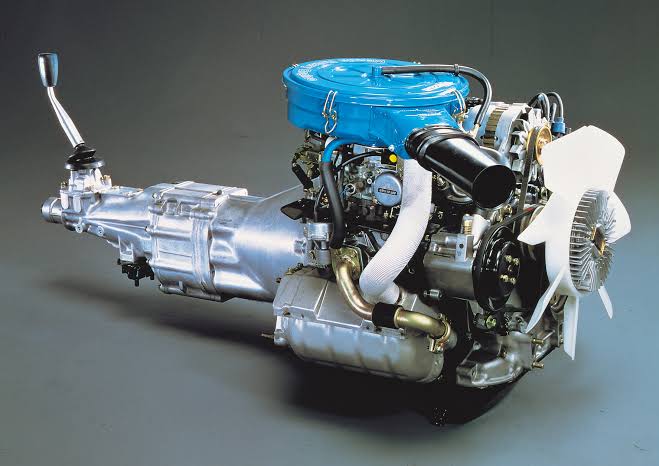
Converting a Mazda from a 12A rotary engine to a 13B can be an appealing way to change the engine configuration while keeping the car within the Mazda rotary family. However, a 12A-to-13B conversion is more than simply removing one engine and installing another.
The two engines share the same basic rotary operating principle, but their dimensions, housings, intake and exhaust arrangements, engine management, cooling requirements, and external components can differ depending on the specific engines and vehicle involved.
If you’re planning a 12A to 13B engine conversion, the most important step is to identify the exact 12A, exact 13B, and vehicle before buying parts.
There is no single universal conversion parts list that applies to every Mazda chassis.
What Is a 12A to 13B Conversion?
A 12A-to-13B conversion involves replacing a 12A rotary engine with a 13B rotary engine.
The 12A and 13B are both two-rotor Mazda Wankel engines, but the 13B uses a larger rotor displacement configuration. Mazda produced several versions of both engines, including naturally aspirated and turbocharged applications.
That means a conversion using an older naturally aspirated 13B is a very different project from installing a later turbocharged 13B into a chassis originally equipped with a 12A.
Before buying parts, determine:
- Which 12A is being removed
- Which 13B is being installed
- Which Mazda chassis is being converted
- Naturally aspirated or turbocharged
- Carbureted or fuel injected
- Original or aftermarket engine management
- Manual or automatic transmission
- Intended street or competition use
These details determine much of the required parts list.
Which Rotary Parts Are Needed for a 12A to 13B Swap?
A typical conversion can involve several groups of components:
- 13B long block or complete engine
- Engine mounting components
- Transmission and bellhousing compatibility
- Intake system
- Exhaust system
- Cooling system
- Fuel system
- Ignition system
- Engine management
- Wiring and electrical components
- Oil system
- Accessories and brackets
- Gaskets and installation hardware
Not every conversion requires replacing all of these components.
The important question is whether the original 12A components are compatible with the particular 13B being installed.
1. Start With the 13B Engine
The most obvious component is the 13B itself.
You may purchase:
- A complete running 13B
- A rebuilt 13B
- A used 13B long block
- A bare engine requiring assembly
A complete engine can simplify a conversion because more of the matching components may already be available.
If purchasing a used engine, inspect the engine before installation rather than assuming it is ready to run.
Check the:
- Rotor housings
- Rotors
- Apex seals
- Side seals
- Corner seals
- Eccentric shaft
- Bearings
- Oil seals
- Housing sealing surfaces
If the engine’s history is unknown, a compression test and inspection can be useful before committing to the swap.
2. Engine Mounting Components
The engine needs to sit correctly in the chassis.
This is where the specific vehicle becomes extremely important.
Depending on the chassis and 13B configuration, you may need:
- Engine mounts
- Mounting brackets
- Rubber or polyurethane mounts
- Crossmember modifications
- Mounting hardware
Some conversions can use factory-based mounting components, while others require modified or aftermarket mounts.
Don’t assume that a 12A engine mount will automatically fit every 13B configuration.
Measure and verify the engine position before finalizing the installation.
3. Check Transmission Compatibility
The transmission is another major consideration.
Although both engines are Mazda rotaries, transmission compatibility depends on the particular engine, bellhousing, transmission, chassis, and drivetrain configuration.
Before installing the 13B, verify:
- Bellhousing compatibility
- Transmission mounting position
- Input shaft compatibility
- Clutch and flywheel arrangement
- Starter location
- Shifter position
- Driveshaft requirements
A conversion can become much more complicated if the engine and transmission combination was never designed to work together.
What about the clutch?
If the transmission is being retained, the clutch assembly should be evaluated as part of the complete engine and drivetrain combination.
Depending on the setup, you may need a different:
- Flywheel
- Clutch disc
- Pressure plate
- Release bearing
- Pilot or related components
The exact requirements depend on the engine and transmission pairing.
4. Intake Manifold and Air Intake
The 13B will need an intake system that matches its particular configuration.
This may include:
- Intake manifold
- Throttle body
- Carburetor on applicable engines
- Fuel injectors
- Air filter
- Intake piping
- Throttle cable or electronic throttle components
A major factor is whether the 13B is carbureted or fuel injected.
You should not assume the original 12A intake components will transfer directly to the 13B.
Naturally aspirated vs turbocharged
The intake requirements become even more different when comparing naturally aspirated and turbocharged 13B engines.
A turbocharged setup may require:
- Turbocharger
- Intercooler
- Charge piping
- Wastegate system
- Boost-control components
- Additional intake plumbing
Therefore, identify the exact 13B before ordering intake parts.
5. Exhaust Manifold and Exhaust System
The exhaust side also needs to match the new engine.
Depending on the conversion, you may need:
- 13B exhaust manifold
- Turbo manifold if applicable
- Downpipe
- Exhaust piping
- Gaskets
- Heat shielding
- Oxygen-sensor provisions
The exhaust-port arrangement and external packaging can vary between Mazda rotary engines.
This means the original 12A exhaust system may require modification even when the rest of the swap is relatively straightforward.
6. Cooling System
The cooling system should not be overlooked.
The 13B will need an appropriate:
- Radiator
- Radiator hoses
- Water pump arrangement
- Thermostat
- Cooling fan
- Coolant lines
- Expansion or overflow system
Whether the original radiator is sufficient depends on the specific engine, chassis, and intended use.
The hose connections may also differ between the 12A and 13B configuration.
Before installation, compare the inlet and outlet locations and plan the cooling system around the actual engine.
7. Fuel System
Fuel requirements depend heavily on the 13B configuration.
A fuel-injected 13B may require:
- Fuel injectors
- Fuel rail
- Fuel pump
- Fuel-pressure regulator
- Fuel lines
- Filters
- Wiring for injectors
A carbureted engine will have a different fuel-system arrangement.
Don’t overlook fuel pressure
The fuel system should be designed around the specifications of the particular 13B and its injection system.
Using the wrong fuel-pressure arrangement can cause starting, drivability, or fueling problems.
8. Ignition System
The ignition system also needs to match the 13B.
Depending on the engine, inspect or source the appropriate:
- Ignition coils
- Spark plug wires
- Distributor components where applicable
- Spark plugs
- Ignition control components
- Electrical connectors
A rotary engine has its own ignition requirements, and the correct system depends on the particular engine generation.
If you’re installing a later fuel-injected 13B into an older 12A chassis, the electrical and ignition systems may require significant changes.
9. Engine Management and Wiring
This is one of the biggest differences between older and newer rotary conversions.
A carbureted 12A-to-13B swap may have relatively simple engine-management requirements compared with a later fuel-injected 13B.
Depending on the engine, you may need:
- ECU
- Engine wiring harness
- Sensors
- Relays
- Fuse provisions
- Oxygen sensor
- Crank or engine-position sensors
- Throttle-position sensor
- Coolant-temperature sensor
An aftermarket ECU is another possible approach for some conversions.
The key is to use an engine-management system that is compatible with the specific 13B configuration.
10. Oil System and Oil Metering
Rotary engines rely heavily on their lubrication systems, so the oil system should be planned before the engine is installed.
Inspect or source the appropriate:
- Oil pump
- Oil lines
- Oil metering components
- Oil injectors where applicable
- Oil cooler
- Oil hoses
- Related fittings
The oil metering arrangement can vary between rotary generations.
If you’re using an engine with a different oil metering system from the original 12A, don’t simply connect the old components without verifying compatibility.
11. Accessories and Brackets
The 13B may require its own external accessories and mounting hardware.
Depending on the configuration, this can include:
- Alternator
- Starter motor
- Water pump
- Pulley components
- Accessory brackets
- Power-steering components
- Air-conditioning compressor
- Associated belts
Some original accessories may be reusable, while others may need to be changed because of mounting location or compatibility.
This is another reason a complete donor engine can be useful when planning a conversion.
12. Sensors and Electrical Components
When moving from an older 12A to a later 13B, don’t forget the sensors.
Depending on the engine, you may need compatible:
- Temperature sensors
- Throttle-position sensors
- Oxygen sensors
- Engine-position sensors
- Pressure sensors
- Airflow or air-temperature sensors
- Knock-related sensors on applicable configurations
The ECU needs the correct information to control the engine properly.
Mixing sensors and engine-management components from unrelated generations can create unnecessary troubleshooting problems.
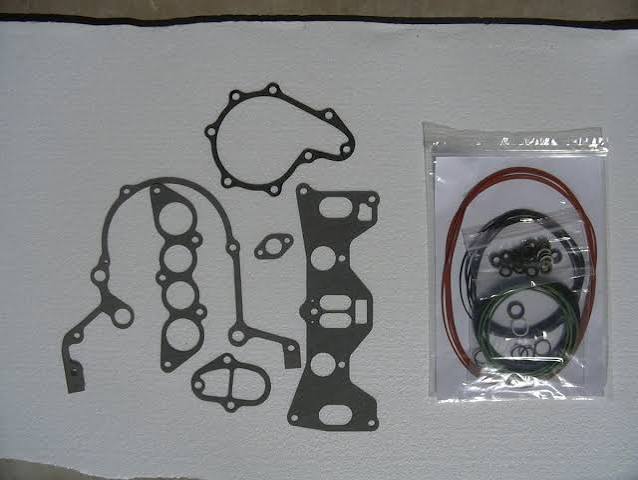
13. Gaskets and Seals
Even when using a complete 13B engine, it is worth checking the condition of external sealing components before installation.
Depending on the work being performed, you may need:
- Intake gaskets
- Exhaust gaskets
- Water seals
- O-rings
- Oil seals
- Coolant hoses
- Vacuum-line components
If the 13B is being rebuilt before installation, the internal rotary seals and gaskets should be addressed as part of the rebuild rather than treated as swap-only components.
Can You Reuse 12A Parts on a 13B?
Sometimes, but compatibility must be checked component by component.
Potentially reusable components depend on:
- Engine generation
- Chassis
- Transmission
- Intake system
- Fuel system
- Ignition system
- Cooling system
- Accessory arrangement
A part fitting physically does not necessarily mean it is the correct part for the 13B.
For example, an accessory may bolt onto an engine but have an unsuitable pulley alignment or electrical connection.
Always verify compatibility before assuming an original 12A component can be transferred.
12A vs 13B Conversion Parts at a Glance
| Component | 12A Part Reusable? | What to Check |
|---|---|---|
| Engine mounts | Maybe | Engine and chassis compatibility |
| Transmission | Maybe | Bellhousing and drivetrain compatibility |
| Flywheel | Depends | Engine/transmission combination |
| Clutch | Depends | Flywheel and transmission |
| Intake manifold | Depends | 13B configuration |
| Carburetor | Depends | Engine and intake setup |
| Injectors | Depends | ECU and fuel system |
| Exhaust manifold | Usually verify | Port and chassis compatibility |
| Radiator | Maybe | Cooling capacity and hose layout |
| Fuel pump | Depends | Fuel-system requirements |
| Ignition system | Depends | 13B generation |
| ECU | Depends | Engine and sensor configuration |
| Wiring harness | Usually verify | ECU and engine electronics |
| Oil system | Depends | Engine generation |
| Alternator | Depends | Mounting and electrical setup |
| Starter | Depends | Engine/transmission arrangement |
The table is intentionally general because a 12A-to-13B conversion is highly dependent on the specific Mazda models and engine versions involved.
What Is the Easiest Way to Plan a 12A to 13B Swap?
One practical approach is to source as many components as possible from the same 13B donor configuration.
Instead of buying the engine by itself, a complete donor setup can potentially provide:
- Engine
- Intake components
- Exhaust components
- Ignition components
- ECU
- Wiring harness
- Sensors
- Alternator
- Starter
- Fuel-system components
- Cooling-system components
- Accessory brackets
This doesn’t guarantee that everything will directly fit the original chassis, but it can reduce the number of unknowns.
You can then determine which components need to be adapted to the vehicle.
Common Mistakes When Converting a 12A to a 13B
Buying the engine before identifying the exact version
A “13B” is not a complete description of the engine.
Mazda produced different 13B configurations over the years.
Assuming every rotary part is interchangeable
The fact that two engines are Mazda rotaries does not mean every component transfers directly.
Forgetting the ECU and wiring
An engine swap can become difficult when the mechanical installation is complete but the electrical system has not been planned.
Ignoring the cooling system
A properly installed engine still needs an appropriately designed cooling system.
Buying rebuild parts before inspecting the engine
If the 13B is used, inspect it before deciding whether you need housings, rotors, seals, bearings, or other internal parts.
Mixing components from multiple generations without a plan
Combining parts can work in some custom builds, but each component should have a clear compatibility reason.
A Basic 12A to 13B Conversion Parts Checklist
Before starting the project, make a list of the following:
Engine
- 13B engine
- Rotor housings
- Rotors
- Eccentric shaft
- Internal seals and bearings if rebuilding
Mounting and drivetrain
- Engine mounts
- Transmission
- Bellhousing
- Flywheel
- Clutch
- Starter
- Driveshaft components
Intake and exhaust
- Intake manifold
- Throttle body or carburetor
- Fuel injectors where applicable
- Air intake
- Exhaust manifold
- Downpipe and exhaust
Fuel
- Fuel pump
- Fuel lines
- Fuel-pressure components
- Fuel injectors where applicable
Cooling
- Radiator
- Hoses
- Thermostat
- Cooling fan
- Coolant lines
Electrical
- ECU
- Wiring harness
- Sensors
- Ignition components
- Relays and electrical connections
Oil system
- Oil pump
- Oil lines
- Oil metering components
- Oil cooler where applicable
Installation
- Gaskets
- O-rings
- Hoses
- Belts
- Mounting hardware
- Fluids
Should You Rebuild the 13B Before Installing It?
If the 13B is a used engine with unknown history, consider inspecting it before putting it into the vehicle.
Installing an unknown engine first can make later repairs much more difficult.
At minimum, establish the condition of the engine and inspect the major components before deciding how far the rebuild needs to go.
If the engine is already disassembled, inspect the:
- Rotor housings
- Rotors
- Apex seals
- Side seals
- Corner seals
- Eccentric shaft
- Bearings
- Oil seals
This can help you create a more accurate 13B rebuild parts list before spending money on components.
Final Thoughts
A 12A to 13B engine conversion is best treated as a complete engine-system project rather than a simple engine replacement.
The 13B itself is only one part of the conversion. Engine mounts, transmission compatibility, intake, exhaust, cooling, fuel delivery, ignition, ECU, wiring, oil metering, and accessories all need to be considered.
The exact parts required depend on the 12A, 13B, and Mazda chassis involved. Because Mazda produced multiple versions of these engines, there is no universal list of parts that will work for every conversion.
If you’re sourcing Mazda rotary engine parts for a swap, identify the exact engine and vehicle first, then build the parts list around that combination. This will help you avoid buying components that look compatible but aren’t correct for the specific conversion.
12A to 13B engine conversion 12A to 13B engine conversion 12A to 13B engine conversion 12A to 13B engine conversion 12A to 13B engine conversion 12A to 13B engine conversion 12A to 13B engine conversion 12A to 13B engine conversion 12A to 13B engine conversion 12A to 13B engine conversion12A to 13B engine conversion 12A to 13B engine conversion 12A to 13B engine conversion 12A to 13B engine conversion 12A to 13B engine conversion 12A to 13B engine conversion 12A to 13B engine conversion 12A to 13B engine conversion 12A to 13B engine conversion 12A to 13B engine conversion 12A to 13B engine conversion