What Mazda Rotary Engine Parts Should You Keep When Dismantling an Old Engine?
Dismantling an old Mazda rotary engine can reveal a mixture of usable components, worn parts, and items that should simply be replaced during the rebuild. The important thing is not to throw away everything immediately.
Major Mazda rotary engine parts such as rotor housings, rotors, side housings, and the eccentric shaft may be reusable if they pass proper inspection and measurement. Seals, gaskets, O-rings, and other service items are generally treated differently and are commonly replaced during an overhaul.
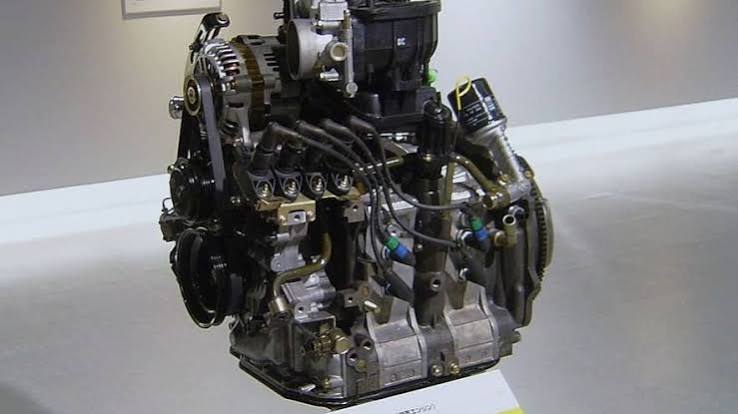
If you’re dismantling an old 12A, 13B, 13B-REW, 20B, or another Mazda rotary, the safest approach is to keep, label, clean, inspect, and measure everything first. Then decide what belongs in the final rebuild.
Why Should You Keep the Old Parts?
It can be tempting to throw away worn-looking components as soon as the engine comes apart.
That’s not always a good idea.
The original parts can provide useful information about the engine’s previous condition. They can also be used for identification, comparison, measurements, and determining exactly which replacement components are required.
Mazda’s workshop procedures themselves emphasize keeping seals and springs associated with their original positions during disassembly.
Before discarding anything, consider:
- What engine does the part belong to?
- Is it a major hard component or a wear item?
- Does it show damage?
- Can it be measured?
- Does the replacement part need to match the original component?
- Could the old part help identify the correct replacement?
Which Mazda Rotary Engine Parts Should You Keep?
The main components worth keeping until inspection is complete include:
- Rotor housings
- Side housings
- Rotors
- Eccentric shaft
- Rotor bearings
- Main bearings
- Stationary gears
- Oil pump components
- Oil metering components
- Original seals and springs for reference
- Small hardware and spacers
This does not mean every one of these parts should automatically go back into the engine.
It means they should be retained until their condition has been properly determined.
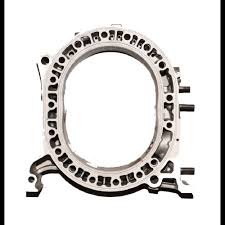
1. Keep the Rotor Housings
Rotor housings are among the most important parts to save when dismantling an old rotary.
Don’t throw them away simply because they have scratches, carbon deposits, or visible wear.
The housing working surface should be cleaned and inspected for:
- Deep scoring
- Scratches
- Corrosion
- Surface damage
- Excessive wear
- Signs of overheating
- Damage around the ports
- Previous machining or resurfacing
The condition of a rotor housing cannot always be determined accurately by looking at it.
Factory rotary-engine procedures include dimensional inspection of housings because distortion and wear can affect whether a component remains suitable for use.
Why the original housing matters
Rotor housings can be expensive and sometimes difficult to source in good condition, especially for older Mazda rotary applications.
If the housing can be properly inspected and remains within the applicable requirements, keeping the original may save you from purchasing a replacement unnecessarily.
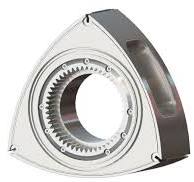
2. Keep the Rotors
The rotors should also be carefully retained after disassembly.
Clean them and inspect:
- Apex seal grooves
- Side seal grooves
- Corner seal areas
- Oil seal grooves
- Rotor faces
- Internal gear areas
- Bearing areas
- Signs of overheating
- Cracks or other damage
Don’t assume that a dirty or carbon-covered rotor is unusable.
Likewise, don’t assume that a clean-looking rotor is automatically good.
The rotor needs to be inspected and, where required, measured against the specifications for the particular Mazda rotary engine. Mazda workshop information includes procedures for checking rotor dimensions and related clearances.
3. Keep the Eccentric Shaft
The eccentric shaft should almost always be retained until it has been properly inspected.
It is one of the most important hard components in the rotary engine and can potentially be reused if it remains within the applicable specifications.
Check for:
- Journal scoring
- Wear
- Scratches
- Heat damage
- Oil-passage blockage
- Runout
- End-play issues
- Bearing-surface damage
Mazda workshop procedures specifically include checking eccentric-shaft oil passages and measuring runout and end play.
Don’t judge the eccentric shaft by appearance
A shaft can look surprisingly good after cleaning and still require measurement.
This is a good example of why you should keep first and decide later.
4. Keep the Side Housings
The front, intermediate, and rear housings should also be saved.
Inspect them for:
- Distortion
- Corrosion
- Cracks
- Damaged sealing surfaces
- Port damage
- Wear where the rotor contacts the housing
- Previous repairs or machining
Side-housing condition is particularly important because these components form part of the sealing surfaces of the engine.
If an old housing is potentially reusable, there is no reason to discard it before proper inspection.
5. Keep the Bearings for Inspection
Used bearings are different from major hard components because many rebuilders will replace them as part of the rebuild.
Still, keep the original bearings during teardown.
Why?
Their condition can tell you something about the old engine.
Look for:
- Scoring
- Discoloration
- Uneven wear
- Embedded debris
- Abnormal contact patterns
The original bearings can also help identify potential lubrication or alignment problems.
After inspection, the decision to reuse or replace them should be based on their condition, measurements, and the requirements of the specific engine.
For many rebuilds, new bearings are chosen rather than simply reinstalling used ones.
6. Keep the Stationary Gears and Related Hardware
Stationary gears and other hard components should not automatically be discarded.
Keep them together and clearly identify where they came from.
This is especially important because small components can be easy to mix up during a teardown.
When dismantling a rotary engine, organize components by location:
Front → Intermediate → Rear
Use separate containers or labeled bags for the hardware from each section.
Keeping parts organized can make reassembly much easier.
7. Keep the Oil Pump Components
If the engine has a serviceable oil pump design, retain the components until they have been inspected.
Look for:
- Scoring
- Wear
- Damage
- Contamination
- Abnormal clearance
- Problems with the pump drive
The oil system deserves particular attention if the old engine experienced an internal failure.
Metal debris or contamination from the original engine can provide clues about what happened and whether other components may have been affected.
8. Keep the Original Seals and Springs During Teardown
This may sound strange because seals are commonly replaced during a rebuild.
But don’t immediately throw them away.
Keep them temporarily and label their original locations.
A rotary engine contains multiple types of seals, including:
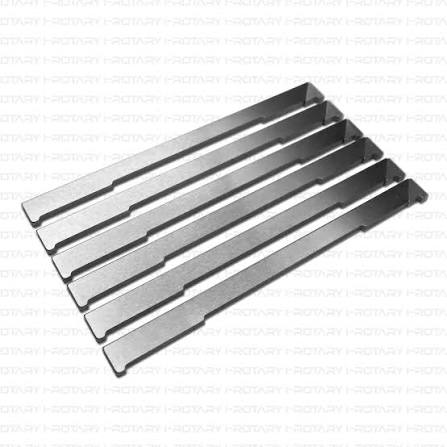
- Apex seals
- Side seals
- Corner seals
- Oil seals
- Water seals
- Associated springs
Mazda’s workshop procedures emphasize keeping removed seals and springs organized according to their original positions during disassembly.
Why keep them?
The old seals can help you:
- Confirm the original configuration
- Compare replacement parts
- Identify damaged areas
- Understand how the engine was assembled
- Keep track of missing components
Once the inspection is complete and the rebuild parts have been confirmed, old seals that are not being reused can be discarded.
9. Keep Small Spacers, Washers, and Hardware
Small parts are easy to overlook during a rotary teardown.
Keep:
- Spacers
- Thrust components
- Washers
- Nuts
- Bolts
- Dowels
- Springs
- Retainers
- Small oil-system components
Put them in labeled containers rather than one large box.
Some parts may be replaced during assembly, but keeping the originals makes it easier to identify what belongs where.
It also prevents the common problem of reaching the end of a rebuild and discovering that an important small component is missing.
Which Mazda Rotary Parts Should Usually Be Replaced?
The parts worth keeping are not necessarily the parts you should reuse.
A typical rebuild will involve replacing many sealing and service components.
These commonly include:
- Apex seals
- Apex seal springs
- Side seals
- Side seal springs
- Corner seals
- Corner seal springs
- Oil seals
- Water seals
- O-rings
- Engine gaskets
The exact replacement list depends on the specific Mazda rotary engine and the condition of the original components.
The key distinction is:
Keep everything for inspection. Replace what the rebuild requires.
Don’t Throw Away Damaged Parts Too Quickly
An obviously damaged part may seem useless, but it can still provide valuable diagnostic information.
For example, a damaged apex seal may help explain:
- Housing damage
- Rotor-groove damage
- Unusual wear
- Engine failure
- Foreign material inside the engine
Likewise, damaged bearings can provide clues about lubrication or mechanical problems.
Before throwing away failed components, photograph them and record where they came from.
This creates a basic history of the engine’s condition.
Label Every Part During Dismantling
One of the simplest things you can do during a rotary teardown is label everything.
For example:
Rotor 1 — Front
Rotor 2 — Rear
Housing — Front
Housing — Intermediate
Housing — Rear
Do the same with seals, springs, stationary gears, and other small components.
This is especially useful when you’re dismantling an unfamiliar or incomplete engine.
Mazda’s own workshop procedures demonstrate the importance of maintaining the position and order of seals and springs during disassembly.
Clean Before You Decide What to Replace
Don’t make your final parts decision while the engine is covered in carbon, oil, and dirt.
Clean the components first.
Then inspect them under good lighting.
After cleaning, look for:
- Cracks
- Scoring
- Corrosion
- Wear
- Distortion
- Damaged grooves
- Previous repairs
- Heat-related damage
Some problems become much easier to identify after the components are properly cleaned.
Measure the Important Components
This is where the difference between keeping a part and reusing a part becomes important.
A component can be worth keeping but still fail inspection.
For example:
Keep the eccentric shaft → clean it → inspect it → measure it → decide whether it can be reused.
The same process applies to:
- Rotor housings
- Rotors
- Side housings
- Eccentric shaft
- Bearings
- Seal grooves
Factory workshop procedures use specific measurements for components such as rotor housings and eccentric shafts rather than relying only on visual inspection.
Always use the service specifications for the exact rotary engine you’re rebuilding rather than applying measurements from another Mazda engine.
A Simple Mazda Rotary Parts Keep-or-Replace Checklist
| Part | Keep During Teardown? | Typical Decision |
|---|---|---|
| Rotor housings | Yes | Inspect and measure |
| Side housings | Yes | Inspect and measure |
| Rotors | Yes | Inspect and measure |
| Eccentric shaft | Yes | Inspect and measure |
| Rotor bearings | Yes | Inspect and evaluate |
| Main bearings | Yes | Inspect and evaluate |
| Stationary gears | Yes | Inspect |
| Oil pump | Yes | Inspect |
| Apex seals | Yes, temporarily | Usually replaced |
| Side seals | Yes, temporarily | Usually replaced |
| Corner seals | Yes, temporarily | Usually replaced |
| Oil seals | Yes, temporarily | Usually replaced |
| Water seals | Yes, temporarily | Usually replaced |
| O-rings | Yes, temporarily | Usually replaced |
| Gaskets | Keep for reference | Replace |
| Small hardware | Yes | Inspect or replace as required |
The word “typically” is important here. The final decision should be based on the specific engine, its condition, and the applicable service information.
What Should You Do Before Ordering Mazda Rotary Engine Parts?
A good workflow is:
Step 1: Identify the engine
Confirm whether you’re working with a 12A, 13B, 13B-REW, 20B, Renesis, or another rotary configuration.
Step 2: Photograph the engine
Take photos before and during disassembly.
Step 3: Label everything
Keep parts organized by rotor and housing position.
Step 4: Clean the components
Remove carbon, oil, and debris before making final judgments.
Step 5: Inspect the hard parts
Focus on housings, rotors, eccentric shaft, gears, and bearings.
Step 6: Measure critical components
Use the specifications applicable to your exact engine.
Step 7: Create your parts list
Separate the list into:
- Parts to reuse
- Parts to replace
- Parts requiring specialist inspection
- Parts still needed for confirmation
Step 8: Order the replacement parts
Only after the inspection is complete should you place the final order.
Final Thoughts
When dismantling an old Mazda rotary engine, don’t throw away the major components before they’re inspected.
Keep the rotor housings, side housings, rotors, eccentric shaft, bearings, gears, oil-system components, and even the original seals until you’ve documented and evaluated the engine.
The most important distinction is that keeping a part does not mean reusing it. A rotor housing, rotor, or eccentric shaft may be worth saving but still fail inspection after cleaning and measurement.
For anyone rebuilding or sourcing Mazda rotary engine parts, the safest approach is:
Dismantle → Label → Clean → Inspect → Measure → Decide → Order replacement parts.
That process helps preserve potentially valuable original components while reducing the risk of putting worn or damaged parts back into the engine.
Mazda rotary engine parts Mazda rotary engine partsMazda rotary engine parts Mazda rotary engine parts Mazda rotary engine parts Mazda rotary engine parts Mazda rotary engine parts Mazda rotary engine parts Mazda rotary engine partsMazda rotary engine partsMazda rotary engine parts Mazda rotary engine parts Mazda rotary engine parts Mazda rotary engine parts Mazda rotary engine parts Mazda rotary engine parts Mazda rotary engine parts Mazda rotary engine parts Mazda rotary engine parts Mazda rotary engine parts Mazda rotary engine parts Mazda rotary engine parts Mazda rotary engine parts