How to Identify the Front and Rear Housings on a Mazda Rotary Engine
When rebuilding or assembling a Mazda rotary engine, identifying the front and rear housings correctly is important. Rotary engine housings can look very similar, especially when they have been removed from the engine and cleaned. Mixing them up can create problems during assembly and may lead to ordering the wrong Mazda rotary engine parts.
The good news is that the front and rear housings are not identical. Their position in the engine assembly, oil passages, seals, mounting features, and other details can help you determine which housing you have.
This guide explains how to identify the front and rear housings on a Mazda rotary engine and what to check before purchasing replacement parts.
What Are the Front and Rear Housings on a Mazda Rotary Engine?
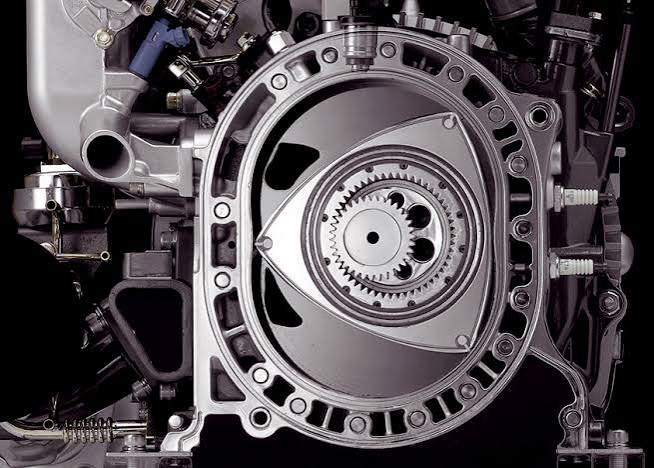
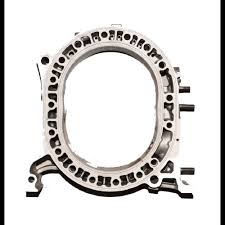
A Mazda rotary engine uses side housings and rotor housings as part of its main engine assembly.
In a typical two-rotor engine, the rotor housings sit between the side housings. The side housings form the front and rear ends of the engine assembly.
The front housing is located toward the front of the vehicle and interfaces with components such as the front cover, eccentric shaft area, and other front-mounted engine components.
The rear housing is located at the opposite end of the engine and interfaces with the rear cover and related components.
Although the two housings can appear similar, they are designed for different positions in the engine.
Why Is It Important to Tell the Front and Rear Housings Apart?
Correct identification matters when rebuilding a Mazda rotary engine because the housings can have different features and are not necessarily interchangeable.
Knowing which housing you have is especially important when:
- Buying replacement housings
- Ordering rotary engine rebuild parts
- Inspecting used Mazda rotary parts
- Rebuilding a 12A or 13B engine
- Checking a disassembled engine
- Comparing housings from different rotary engines
- Building an engine from separate components
If you are purchasing a used housing, relying only on its general appearance can be risky. The engine family and specific housing features should also be verified.
How to Identify the Front Housing
The easiest starting point is to understand where the housing sits in the complete engine.
The front housing is positioned at the front end of the engine assembly. When the engine is installed in its normal orientation, this is the side closest to the front of the vehicle.
There are several details that can help confirm the identification.
Check the Housing’s External Features
Look closely at the outside of the housing.
Depending on the Mazda rotary engine generation, the front housing may have mounting points, oil passages, dowel locations, and other features that distinguish it from the rear housing.
Do not rely on a single feature when identifying an unknown housing. Compare several features with a known housing or the correct service information for your engine.
Look at the Bearing and Seal Areas
The front and rear housings are part of the eccentric-shaft support system. Their bearing, seal, and oiling arrangements are important when identifying and inspecting a housing.
However, these areas can vary between rotary engine generations, so the exact configuration should be matched to the engine being rebuilt.
Check the Part Number or Casting Mark
If the housing is still marked with an identifiable casting or part number, this can be one of the most useful ways to determine its application.
Numbers and markings may be located on the outside of the housing or in another visible area.
If you find a casting number, do not automatically assume it is the complete Mazda part number. Casting and identification marks can have different purposes.
How to Identify the Rear Housing
The rear housing sits at the opposite end of the engine from the front housing.
Like the front housing, it has specific mounting, sealing, and oiling features that correspond to its position in the engine.
Examine the Rear Cover Interface
One useful area to inspect is the surface where the rear cover and associated components meet the housing.
The rear housing has features designed for the rear of the eccentric shaft assembly and the engine’s rear-mounted components.
When a housing is removed from the engine, comparing this area with photographs or a known housing from the same engine family can help confirm its position.
Inspect Oil and Mounting Features
Oil passages and external mounting features can also help distinguish the rear housing.
These details can be difficult to identify if the housing is dirty or covered in carbon and oil deposits, so cleaning the component before inspection can make the identification process easier.
Front vs. Rear Rotary Housing: What Should You Compare?
If you have two housings sitting separately on a workbench, compare them carefully rather than guessing based on appearance.
Pay attention to:
- External casting features
- Mounting points
- Dowel locations
- Oil passages
- Seal locations
- Bearing areas
- Bolt-hole arrangements
- Part or casting numbers
- The engine family the housing came from
A combination of these details is much more reliable than using one visual characteristic.
Do Front and Rear Housings Look the Same?
They can look very similar.
This is one reason identifying a Mazda rotary engine housing can be confusing when the engine has been completely disassembled.
A housing may also have been cleaned, machined, painted, or previously rebuilt, making some of the original identifying features less obvious.
Additionally, Mazda produced several rotary engine generations, so a feature found on one engine should not automatically be assumed to apply to every 12A or 13B.
For this reason, always identify the specific rotary engine application before deciding which housing is which.
What About 12A and 13B Housings?
The basic principle of identifying the front and rear housings applies to both 12A and 13B rotary engines, but the exact housing design can vary.
A 12A housing should not automatically be compared with a later 13B housing simply because both engines use the same basic rotary architecture.
There can also be important differences between different generations and versions of the 13B.
For example, a conventional 13B and a 13B-REW are not simply the same engine with different turbochargers. Their components and designs can differ.
When identifying a housing, start with the engine code and application whenever possible.
Can You Tell the Housing Position From the Rotor Housing?
The rotor housings themselves can sometimes provide clues about the original engine assembly, but they should not be used as the only method for identifying front and rear side housings.
The rotor housing sits between the side housings, and the complete engine stack has to be assembled in the correct order.
If you are working with a completely disassembled rotary engine, use the available markings and physical features of each component rather than trying to reconstruct the assembly based solely on appearance.
How to Identify a Housing Before Buying It
If you are buying a used Mazda rotary engine housing, ask the seller for clear photographs.
Useful photographs include:
- The complete front and rear faces of the housing
- The outside of the housing
- Casting or identification marks
- Bearing areas
- Oil passages
- Mounting points
- Any visible damage or machining
- The housing’s combustion-side surface
If possible, also ask which engine the housing came from.
Knowing that a housing came from a specific engine and generation can significantly reduce the chance of purchasing the wrong component.
Inspect the Housing Condition Too
Correct identification is only the first step.
A housing can be the correct front or rear housing and still be unsuitable for a rebuild.
Before using a used Mazda rotary housing, inspect it for:
- Wear
- Scoring
- Corrosion
- Cracks
- Damage around ports
- Abnormal surface wear
- Previous machining
- Damage around seal areas
The housing surface is particularly important because the rotor apex seals operate directly against the inner surface of the rotor housing, while the side housings work with the rotor’s side sealing system.
Any used housing should be evaluated according to the specifications for the particular engine.
Don’t Assume Every Mazda Rotary Housing Is Interchangeable
One of the most common mistakes when buying rotary engine parts is assuming that components from different Mazda rotary engines will automatically fit.
Mazda produced many versions of its rotary engines over several decades.
Before purchasing a front or rear housing, confirm:
- Engine family
- Engine generation
- Rotor count
- Housing application
- Port configuration where relevant
- Mounting arrangement
- Correct part number or identification
- Condition and machining history
This is especially important when buying individual used components rather than a complete matching engine.
What If You Are Still Unsure?
If you cannot confidently identify a housing, do not guess.
Take clear photographs of the component and record any numbers or markings you can find. Compare those details with reliable documentation for the specific engine.
If you are ordering a replacement housing, provide the seller with the engine code and as much information as possible.
For example, saying that you need a “13B housing” may not provide enough information. The specific 13B application can matter when determining which component you need.
Frequently Asked Questions
Which side of a Mazda rotary engine is the front housing?
The front housing is located at the front end of the complete engine assembly when the engine is positioned in its normal orientation in the vehicle.
Are Mazda rotary front and rear housings interchangeable?
They should not be assumed to be interchangeable. Their design and features correspond to their specific positions in the engine assembly, and the correct application should be verified.
How can I identify a Mazda rotary housing?
Start by identifying the engine family and then inspect the housing’s casting marks, mounting features, oil passages, dowel locations, seal areas, and other physical characteristics.
Can I identify a rotary housing by appearance alone?
Sometimes you can identify obvious differences visually, but appearance alone is not always reliable. Comparing identification markings and specific physical features with documentation for the correct engine is safer.
Does a 12A housing fit a 13B engine?
Do not assume that 12A and 13B housings are interchangeable. Mazda produced different housing designs and specifications across its rotary engine families and generations.
Should I inspect a used rotary housing before buying it?
Yes. In addition to confirming that it is the correct housing, inspect its sealing surfaces, mounting areas, oil passages, and other critical areas for wear or damage.
Final Thoughts
Identifying the front and rear housings on a Mazda rotary engine is easier when you look at the complete assembly rather than relying on one visual feature.
Start by identifying the engine family and generation. Then examine the housing’s casting marks, mounting features, oil passages, seal areas, bearing locations, and other physical details.
If you are buying a used housing, ask for detailed photographs and confirm the exact engine application before ordering.
Taking a few extra minutes to identify the correct housing can help prevent ordering the wrong Mazda rotary engine parts and make the rebuilding process much easier.
Mazda rotary engine housings Mazda rotary engine housings Mazda rotary engine housings Mazda rotary engine housings Mazda rotary engine housings Mazda rotary engine housings Mazda rotary engine housings Mazda rotary engine housings Mazda rotary engine housings Mazda rotary engine housings Mazda rotary engine housings Mazda rotary engine housings Mazda rotary engine housings Mazda rotary engine housings Mazda rotary engine housings Mazda rotary engine housings Mazda rotary engine housings Mazda rotary engine housings Mazda rotary engine housings Mazda rotary engine housings Mazda rotary engine housings Mazda rotary engine housings Mazda rotary engine housings Mazda rotary engine housings Mazda rotary engine housings Mazda rotary engine housings Mazda rotary engine housings