How to Check Mazda Rotary Side Housing Surfaces Before Reassembly
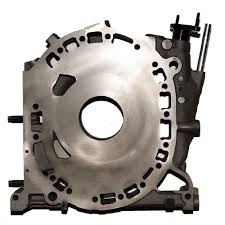
The side housings are critical parts of a Mazda rotary engine, and their condition should be checked carefully before reassembly.
During a rebuild, it is easy to concentrate on apex seals, side seals, corner seals, rotor housings, and the eccentric shaft while giving the side housing surfaces less attention. However, damaged, contaminated, or improperly prepared surfaces can create problems when the engine is assembled.
Before installing a Mazda rotary engine side housing, take time to inspect the sealing surfaces, check for visible damage, clean the surface properly, and verify that the housing is suitable for reuse.
This guide explains what to look for and how to prepare a Mazda rotary side housing before putting the engine back together.
What Is a Mazda Rotary Side Housing?
A side housing is one of the major stationary sections of a rotary engine.
It forms part of the engine assembly around the rotor and works with the rotor housing and other engine sections to create the chambers in which the rotor operates.
The side housing also contains important surfaces, openings, and sealing areas that must remain in good condition.
Depending on the specific Mazda rotary engine, the side housing may incorporate features associated with:
- Side seals
- Corner seals
- Oil seals
- Water seals
- Oil passages
- Coolant passages
- Dowel locations
- Fastener locations
- Rotor-side surfaces
Because these features vary between engines, the correct inspection procedure should always be matched to the specific Mazda rotary engine being rebuilt.
Why Should You Inspect Side Housing Surfaces Before Reassembly?
A side housing can look acceptable at first glance while still having a problem that needs attention.
During disassembly, the surface may have accumulated:
- Carbon deposits
- Old seal material
- Oil residue
- Coolant deposits
- Corrosion
- Dirt
- Metal particles
- Scratches from previous work
The housing may also have experienced wear or damage during the engine’s previous service life.
Cleaning and inspecting the surface before reassembly gives you an opportunity to identify problems before the engine is sealed back together.
Once the engine is assembled, finding a damaged sealing surface becomes considerably more inconvenient.
Which Areas of a Rotary Side Housing Should You Check?
Don’t inspect only the large flat-looking surface.
A proper inspection should cover the entire component.
Pay particular attention to:
Rotor-Side Surface
Inspect the surface that faces the rotor and forms part of the combustion chamber.
Look for scoring, damage, abnormal wear, or other surface imperfections.
Seal Grooves
Inspect the grooves associated with the side and corner sealing system.
Look for:
- Damage
- Excessive wear
- Debris
- Corrosion
- Burrs
- Distortion
The seals need to move and seat correctly within their respective locations.
Oil Seal Areas
Inspect the areas associated with the rotor oil seals.
Look for visible wear, scoring, contamination, or damage.
Water Seal Areas
Check the surfaces and grooves associated with the coolant sealing system.
Corrosion around coolant passages deserves particular attention.
Dowel Pin Locations
Inspect the dowel holes and locating surfaces.
A damaged or contaminated locating area can make correct assembly more difficult.
Oil and Coolant Passages
Make sure passages are clean and free from obvious debris or contamination.
A clean-looking exterior does not necessarily mean that internal passages are clean.
How to Clean a Mazda Rotary Side Housing Before Inspection
A proper inspection starts with proper cleaning.
Trying to judge the condition of a dirty housing can lead to missed damage.
Start by removing loose dirt and deposits.
Then clean the housing using a method appropriate for the material and the condition of the component.
The goal is to remove contamination without damaging the machined surfaces.
Remove Old Seal Material Carefully
Old gasket, seal, or bonding material can remain around the mating surfaces after disassembly.
Remove it carefully.
Avoid aggressively scraping the surface with a tool that could create scratches or gouges.
A sealing surface that was originally flat can be damaged by careless cleaning.
Clean Carbon Deposits
Carbon may accumulate in areas exposed to combustion.
Remove deposits carefully while avoiding unnecessary damage to the underlying surface.
Clean Oil and Dirt
Use an appropriate engine-cleaning method to remove oil and general contamination.
After cleaning, dry the housing thoroughly before inspection.
What Should a Good Side Housing Surface Look Like?
A usable side housing should have surfaces that are consistent with the condition and service requirements of the specific engine.
You’re looking for a surface without obvious damage that would prevent correct assembly or sealing.
Pay attention to:
- Deep scratches
- Gouges
- Cracks
- Pitting
- Corrosion
- Abnormal wear
- Raised areas
- Burrs
- Previous machining damage
Not every visible mark means the housing must be discarded.
Some marks may be superficial.
The important question is whether the surface damage affects the component’s ability to perform its intended function.
How to Check a Rotary Side Housing for Scratches
Scratches are one of the easiest defects to notice.
However, don’t automatically reject a housing because you can see a mark.
First determine:
- Where is the scratch?
- How deep does it appear?
- Does it cross an important sealing surface?
- Is it associated with abnormal wear?
- Does it affect a seal groove or coolant passage?
- Is the surface otherwise in good condition?
A light surface mark may be very different from a deep groove or gouge.
If you’re unsure whether a damaged housing can be reused, compare it against the applicable Mazda service information or have the component inspected by a rotary-engine specialist.
Check for Corrosion Around the Water Passages
Coolant passages deserve special attention when inspecting a Mazda rotary side housing.
Corrosion can develop around areas exposed to coolant, particularly on an engine that has been stored for a long period or maintained with contaminated or neglected coolant.
Look for:
- Rust or oxidation
- Pitting
- Flaking material
- Damaged sealing areas
- Deposits around coolant passages
Surface corrosion isn’t automatically a reason to discard a housing.
However, significant pitting or damage in an important sealing area should be investigated before the component is reused.
Inspect the Side Seal and Corner Seal Grooves
The side housing contains areas that interact with the rotary engine’s sealing system.
These areas should be clean and free from obvious damage.
Check the grooves for:
- Carbon buildup
- Dirt
- Corrosion
- Burrs
- Scratches
- Deformation
- Foreign material
A damaged groove can interfere with the proper installation or movement of the corresponding seal.
When cleaning seal grooves, avoid removing material unnecessarily.
The goal is to clean the original component, not reshape it.
Check the Housing for Warping or Distortion
A side housing needs to maintain its intended geometry within the applicable service limits.
Visual inspection alone may not be enough to determine whether a component is flat or within specification.
If you suspect distortion, use the inspection procedure and measuring equipment specified for the particular Mazda rotary engine.
This is especially important if the engine has previously experienced:
- Severe overheating
- Major mechanical damage
- Incorrect machining
- Improper disassembly
- Significant corrosion
Don’t assume that a housing is flat simply because it looks flat.
How to Check a Rotary Side Housing for Flatness
If the service procedure calls for a flatness check, use the appropriate measuring method and equipment.
A straightedge and suitable measuring tools may be used as part of an inspection procedure, but the actual allowable limit must come from the correct service information for the engine.
Avoid using a generic “acceptable” measurement from another rotary engine.
Different Mazda rotary engines can have different specifications and inspection requirements.
The important principle is:
Measure against the specification for the exact engine.
Inspect the Housing Mating Surfaces
The side housing doesn’t work by itself.
It mates with other components in the rotary engine assembly.
Inspect the mating areas for:
- Old sealant
- Scratches
- Gouges
- Corrosion
- Dirt
- Foreign material
- Raised areas
- Damage around dowel locations
The surfaces should be clean before assembly.
Even a small piece of debris trapped between mating components can affect how the parts seat together.
Check the Dowel Pin Locations
Dowel pins help locate the major sections of the rotary engine during assembly.
When inspecting a side housing, check:
- Dowel pins
- Dowel holes
- Locating surfaces
- Signs of corrosion
- Damage around the holes
If a dowel is damaged or missing, identify the correct replacement before continuing with assembly.
Do not substitute an ordinary bolt or random pin simply because it appears to fit.
Inspect Oil and Coolant Passages
A rotary housing contains passages that are part of the engine’s lubrication and cooling systems.
Before assembly, inspect accessible passages for:
- Carbon
- Sludge
- Dirt
- Metal particles
- Corrosion
- Foreign objects
If the engine suffered a major internal failure, pay particular attention to contamination.
Metal debris from a damaged bearing or other failed component can travel through the engine’s lubrication system.
Cleaning should therefore be part of the rebuild process rather than an afterthought.
Look for Signs of Previous Machining
A used rotary side housing may have been modified or machined during a previous rebuild.
That isn’t automatically a problem, but you should know what work has been performed.
Look for:
- Obvious machining marks
- Surface refinishing
- Previous repairs
- Unusual material removal
- Modified sealing areas
If the housing has been machined, determine whether the work is compatible with the current rebuild.
This is particularly important when combining used parts from different engines.
Can a Scratched Mazda Rotary Side Housing Be Reused?
Sometimes, but the answer depends on the location and severity of the damage.
A small superficial mark isn’t automatically the same as a deep groove across a critical sealing surface.
Before deciding to reuse the housing, consider:
- Location of the damage
- Depth of the damage
- Whether a sealing surface is affected
- Whether a seal groove is affected
- Whether coolant or oil passages are affected
- Whether the housing remains within applicable service limits
If the damage is significant, professional inspection may be necessary.
Avoid trying to “fix” a precision surface by removing material without knowing the required dimensions and surface finish.
Should You Resurface a Rotary Side Housing?
Resurfacing is not something that should be performed simply because a used housing has visible marks.
The housing is a precision engine component, and removing material can affect its dimensions and relationship with the rest of the engine.
Before machining a side housing, determine:
- Why it needs machining
- What material would be removed
- Whether the component can remain within service limits
- Whether the resulting surface is suitable for the engine
- Whether other components must also be measured or adjusted
If machining is necessary, it should be performed by a shop experienced with Mazda rotary engines or the relevant precision components.
What Should You Do If the Housing Has Deep Pitting?
Deep pitting requires more attention than light surface discoloration.
First identify where the pitting is located.
Pitting on a Non-Critical Area
Minor damage away from critical sealing and mating surfaces may not have the same consequences as damage directly affecting a sealing area.
Pitting on a Sealing Surface
Pitting on an important sealing surface can create a more serious problem.
The component should be evaluated against the applicable service requirements before reuse.
Pitting Around Coolant Passages
Significant corrosion around coolant sealing areas can affect the ability of the sealing system to contain coolant.
Don’t assume that cleaning alone will solve the problem.
What Should You Check Before Reassembling the Side Housing?
Use this checklist before putting the engine together.
Side Housing Inspection Checklist
- Housing identified for the correct engine
- Housing thoroughly cleaned
- Rotor-side surface inspected
- Mating surfaces cleaned
- Seal grooves inspected
- Oil seal areas checked
- Water seal areas checked
- Coolant passages inspected
- Oil passages inspected
- Dowel holes checked
- Dowel pins inspected
- Scratches and gouges checked
- Corrosion checked
- Pitting checked
- Signs of previous machining identified
- Suspected distortion measured
- Applicable service specifications checked
This checklist can help prevent an obviously questionable housing from being installed without inspection.
Common Mistakes When Preparing Rotary Side Housings
Cleaning Too Aggressively
Removing dirt is important, but aggressive scraping or grinding can create new damage.
Ignoring Small Seal Grooves
A housing may look clean while debris remains inside a seal groove.
Inspect the smaller areas carefully.
Assuming Every Scratch Is Serious
Not every visible mark means the housing is unusable.
Evaluate its location and severity.
Assuming Every Scratch Is Harmless
The opposite mistake is equally dangerous.
A deep groove or damaged sealing surface shouldn’t be dismissed simply because the housing is otherwise clean.
Skipping Measurements
Visual inspection cannot replace measurements when the service procedure requires them.
Mixing Housing Components Without Verification
Used Mazda rotary parts should be identified before they are combined with components from another engine.
How to Prepare a Mazda Rotary Side Housing for Reassembly
Once the housing has been inspected and determined to be suitable, prepare it carefully.
A basic process is:
1. Clean the Component
Remove oil, carbon, dirt, old seal material, and other contamination.
2. Dry It Completely
Make sure moisture and cleaning residue are removed.
3. Inspect Again
Cleaning often reveals damage that wasn’t visible beforehand.
4. Verify the Sealing Components
Confirm that the required seals and related components are correct for the engine.
5. Check Locating Components
Verify dowel pins and locating holes.
6. Confirm Measurements
Where applicable, check the housing and related components against the correct service specifications.
7. Keep Everything Clean
Once the housing has passed inspection, protect the cleaned surfaces from dirt and unnecessary handling.
Don’t Judge a Rotary Housing by Appearance Alone
One of the most important lessons when rebuilding a Mazda rotary engine is that visual condition isn’t the entire story.
A housing can look clean and still require measurement.
Likewise, a housing can have a visible cosmetic mark that doesn’t necessarily make it unusable.
The correct approach combines:
Cleaning + visual inspection + measurement + engine-specific specifications.
That gives you a much better basis for deciding whether a Mazda rotary side housing is ready for reassembly.
Final Thoughts
Checking Mazda rotary side housing surfaces before reassembly is an important part of preparing an engine for a rebuild.
Start by cleaning the housing thoroughly, then inspect the rotor-side surface, mating surfaces, seal grooves, oil and coolant passages, dowel locations, and areas showing corrosion or previous machining.
Pay particular attention to deep scratches, gouges, pitting, distortion, and damage around sealing surfaces.
Most importantly, don’t rely on visual inspection alone when a measurement is required. Use the service information for the exact Mazda rotary engine to determine the applicable inspection procedures and limits.
A good preparation process is simple:
Clean it → Inspect it → Measure it where required → Verify the sealing and locating areas → Confirm the correct specifications → Reassemble carefully.
Taking these steps before assembly can help identify problems while the engine is still apart, when they are much easier to address.
Mazda rotary side housing Mazda rotary side housing Mazda rotary side housing Mazda rotary side housing Mazda rotary side housing Mazda rotary side housing Mazda rotary side housing Mazda rotary side housing Mazda rotary side housing Mazda rotary side housing Mazda rotary side housing Mazda rotary side housing Mazda rotary side housing Mazda rotary side housing Mazda rotary side housing