Rotary Engine Side Seals Explained: What Do They Actually Do?
If you’re rebuilding a Mazda rotary engine, you’ve probably heard plenty about apex seals. They get most of the attention because they seal the rotor against the rotor housing.
But the apex seals aren’t working alone.
A rotary engine also uses side seals, which sit in grooves on the sides of the rotor and work with the corner seals to help maintain separation between the combustion chambers.
Although side seals are smaller and easier to overlook, their fit and condition matter during a rotary engine rebuild. Worn, damaged, or incorrectly fitted side seals can affect sealing and contribute to blow-by and compression-related problems.
So what exactly do rotary engine side seals do, and how do you know when they need to be replaced?
Let’s break down the side-seal system and what you should check before installing new parts.
What Are Rotary Engine Side Seals?
Rotary engine side seals are sealing strips installed in grooves around the sides of the rotor.
They work with the rotor’s other sealing components to help prevent gases from escaping between the rotor and the side housings.
A typical Mazda rotary rotor uses several types of seals, including:
- Apex seals
- Side seals
- Corner seals
- Oil seals and related oil-control components
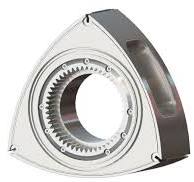
The side seals are positioned around the rotor’s side edges, while the apex seals are located at the three rotor tips.
These components have different jobs, but they ultimately work together to keep the combustion chambers properly sealed.
Mazda rotor parts catalogs and rebuild components list side seals separately from apex seals and corner seals, highlighting that they are individual parts of the rotor sealing system.
What Do Rotary Engine Side Seals Actually Do?
The main job of the side seal is to help seal the area between the rotor and the side housing.
As the rotor moves through the engine, the side seals remain in contact with the appropriate sealing surfaces while working alongside the corner seals.
Their job can be simplified to:
Rotor side → side seal → side housing → sealed combustion chamber
The seals help prevent combustion gases from escaping laterally around the rotor.
Without an effective side-seal system, the engine can lose sealing efficiency even if the apex seals themselves are in good condition.
Where Are Side Seals Located?
Side seals are installed into dedicated grooves in the sides of the rotor.
The exact design varies between Mazda rotary engine generations, but the basic concept remains similar.
The side seals are positioned around the rotor’s perimeter and meet the corner-seal areas.
This means the ends of the side seals and the corner seals need to work together correctly.
The fit between these components is important because excessive clearance can create another path for combustion gases to escape.
Mazda’s side-seal inspection procedure specifically checks the clearance between the ends of the side seals and the corner seals.
Side Seals vs Apex Seals
One of the most common rotary-engine questions is whether side seals and apex seals do the same thing.
They don’t.
Apex Seals
Apex seals are installed at the three tips of the rotor.
Their primary sealing surface is the rotor housing’s trochoid surface.
They separate the individual combustion chambers as the rotor moves around the housing.
Side Seals
Side seals are installed in the sides of the rotor.
They help seal between the rotor and side housings and work together with the corner seals.
So while both are part of the engine’s sealing system, they operate in different locations.
A useful way to remember it is:
Apex seals = rotor housing sealing
Side seals = side housing sealing
Corner seals = sealing at the side-seal/apex-seal transition areas
The complete sealing system has to work together.
How Do Side Seals Work With Corner Seals?
Side seals don’t operate independently.
The ends of the side seals meet the corner-seal areas on the rotor.
This creates an important relationship between:
- Side seal length
- Corner seal position
- Groove dimensions
- Side-seal clearance
- Rotor condition
If the side seal is too short, the resulting clearance at the corner-seal area can become excessive.
If it is too long, it may not have the required operating clearance.
This is why side-seal fitting is an important part of a rotary rebuild.
Mazda’s inspection procedure measures the clearance between the side seal ends and the corner seals and specifies a standard range and maximum limit for the particular engine covered by that procedure.
Do All Rotary Engines Use the Same Side Seals?
No.
This is an important point when buying rotary engine rebuild parts.
A 12A side seal is not automatically interchangeable with a 13B side seal, and a 13B-REW side seal should not automatically be assumed to fit a 13B-MSP Renesis rotor.
Different rotor designs and generations can use different sealing components.
For example, current rotary parts catalogs list dedicated side-seal applications for:
- Early 12A/13B applications
- FC and FD RX-7 13B engines
- 20B engines
- 13B-MSP Renesis engines
Atkins Rotary lists a 12-piece OEM side-seal set for 1986–1995 RX-7 13B applications and separate side-seal applications for the 13B-MSP RX-8.
Mazdatrix also lists separate rotor kits and side-seal components for different rotary applications.
Always match side seals to the exact rotor and engine application.
How Many Side Seals Does a Rotary Engine Use?
The number depends on the engine and rotor configuration.
For example, a two-rotor Mazda application can use 12 side seals, while a three-rotor 20B requires more because it contains an additional rotor.
Current parts listings show 12 side seals for various two-rotor Mazda applications and 18 side seals for the three-rotor 20B.
This is another reason not to order side seals based solely on the words “Mazda rotary.”
Confirm:
- Engine
- Rotor type
- Engine generation
- Number of rotors
- Correct side-seal part or application
Why Side-Seal Fit Matters
Side seals need the correct amount of clearance to operate properly.
They aren’t supposed to be installed with zero clearance simply because tighter sounds better.
The side seal needs room for the components to operate as the engine heats up and the parts move under operating conditions.
Too much clearance can reduce sealing effectiveness.
Too little clearance can create its own problems if the seal cannot accommodate thermal expansion or movement.
For one Mazda side-seal inspection procedure, the specified clearance between the side seal and corner seal is 0.05–0.15 mm, with 0.4 mm given as the maximum in that particular procedure. These figures should not be applied universally to every rotary engine.
The correct specification always comes from the service information for the engine being rebuilt.
Signs That Rotary Engine Side Seals May Be Worn
Side seals are internal components, so you generally can’t diagnose them from an external visual inspection.
However, worn or improperly fitted side seals can contribute to sealing problems.
Possible clues include:
- Reduced compression
- Excessive blow-by
- Poor engine performance
- Difficult starting
- Abnormal sealing between chambers
- Visible side-seal wear during teardown
- Excessive clearance during inspection
These symptoms are not unique to side seals.
Apex seals, corner seals, rotor housings, side housings, and other components can also cause compression or sealing problems.
That’s why a proper rotary diagnosis should evaluate the entire sealing system.
What Causes Side Seal Wear?
Several things can contribute to side-seal wear or damage.
Normal Engine Operation
Side seals continuously move against their mating surfaces while the rotor rotates.
Over time, normal friction can cause wear.
Incorrect Clearance
Improper clearance can create sealing or durability problems.
This is why side-seal fitting and measurement are important during assembly.
Damaged Rotor Grooves
A side seal can only work correctly if the groove in the rotor is in suitable condition.
A damaged or excessively worn groove can affect how the seal moves.
Excessive Heat
Rotary engines operate with significant heat around the rotor and housing assembly.
Depending on the engine design, side-seal components can operate in demanding thermal conditions.
Contamination
Carbon, debris, damaged seal material, or other contamination can interfere with the movement of the side seal.
Incorrect Installation
Installing the wrong seal, incorrectly fitting a seal, or failing to establish the correct clearance can cause problems after assembly.
Should You Replace Side Seals During a Rotary Rebuild?
In most complete rotary rebuilds, the side seals should be treated as rebuild components rather than assuming the old seals are reusable.
The exact decision depends on the engine, the condition of the existing seals, and the rebuild specifications.
When the rotor is already removed, inspect:
- Side seals
- Side-seal grooves
- Corner seals
- Corner-seal grooves
- Apex seals
- Apex-seal grooves
- Rotor surfaces
If you’re rebuilding an older engine and replacing the major sealing components, installing properly matched side seals gives you the opportunity to establish the correct clearances during assembly.
How to Inspect Rotary Engine Side Seals
Side-seal inspection should go beyond simply looking at whether the seal appears worn.
Step 1: Remove the Seal Carefully
Remove the side seal without damaging the rotor groove.
Step 2: Inspect the Seal
Look for:
- Cracks
- Chips
- Excessive wear
- Deformation
- Carbon buildup
- Abnormal contact marks
Step 3: Inspect the Groove
Check the rotor groove for:
- Damage
- Excessive wear
- Carbon deposits
- Burrs
- Restrictions
The seal needs to move correctly inside the groove.
Step 4: Inspect the Corner Seals
Because the side seals meet the corner seals, inspect the two systems together.
Step 5: Measure the Clearance
Use the applicable manufacturer procedure and the correct measuring equipment.
Mazda’s published side-seal inspection procedure uses feeler gauges to check the clearance between the side-seal ends and corner seals.
What Happens If Side Seals Are Too Loose?
Excessive side-seal clearance can reduce the effectiveness of the sealing system.
The side seal and corner seal form part of the boundary around the combustion chamber.
If excessive gaps exist, combustion gases can find paths through the sealing system.
This can contribute to:
- Blow-by
- Reduced sealing efficiency
- Compression loss
- Poor engine performance
However, don’t diagnose a compression problem from side-seal clearance alone.
A rotary engine’s compression depends on multiple sealing components working together.
What Happens If Side Seals Are Too Tight?
Tighter isn’t always better.
Side seals need the correct operating clearance.
If a seal is fitted too tightly, there may not be enough room for thermal expansion and movement.
That can potentially cause the seal to bind in its groove or interfere with normal operation.
This is why professional rotary rebuilders carefully fit and measure side seals rather than simply installing them and assuming the fit is acceptable.
Why Some Side Seals Are Supplied Longer
You may encounter rotary side seals that are intentionally supplied longer than the finished length required for installation.
The purpose is to allow the rebuilder to fit the seal to the individual rotor.
For example, Atkins Rotary states that it prefers longer Mazda side seals that can be hand-fitted to achieve the desired relationship between the side seal and corner seal. Its listings provide engine-specific fitting guidance rather than treating every rotor as identical.
This doesn’t mean you should randomly shorten a side seal.
The final fit should be established according to the appropriate specifications and assembly procedure for the exact engine.
Can You Reuse Old Rotary Side Seals?
Technically, the condition of an individual seal determines whether it can be reused, but for a complete rebuild, replacing the sealing components is generally the more sensible approach.
Old side seals have already experienced:
- Heat cycles
- Friction
- Combustion-related conditions
- Movement inside their grooves
- Contact with their mating surfaces
If the engine is already disassembled, installing fresh, correctly matched seals allows the sealing system to be inspected and fitted properly.
However, always consider the exact engine and manufacturer’s rebuild requirements.
Side Seals and Apex Seals Must Work Together
A common mistake is focusing entirely on apex seals because they’re the most famous rotary engine sealing component.
A rotary engine doesn’t rely on apex seals alone.
The sealing system involves several components working together.
Think of it as:
Apex seals + side seals + corner seals + rotor housing + side housings = complete rotor sealing system
If one part of this system has excessive wear or incorrect clearance, replacing another component may not solve the underlying problem.
Side Seals and Rotor Housing Condition
Side seals also depend on the condition of the surfaces they work against.
If the side housings have been severely damaged, worn, or improperly machined, simply installing new side seals may not restore the intended sealing relationship.
This is why a rotary rebuild should inspect:
- Rotor
- Rotor housing
- Side housings
- Apex seals
- Side seals
- Corner seals
- Seal grooves
- Relevant clearances
A good set of seals cannot compensate for a badly damaged housing or rotor.
Side Seals on High-Performance Rotary Engines
High-performance rotary engines can place additional demands on the sealing system.
Higher RPM, increased cylinder pressure, and high boost can change the loads experienced by the rotor and its sealing components.
Specialist rotary builders use different machining and clearance strategies for particular high-RPM or high-boost applications. Mazdatrix, for example, describes additional rotor-side clearance work for certain high-RPM or high-boost builds.
This doesn’t mean every performance engine requires special side seals.
It means the seal selection and clearances should match the intended engine configuration.
A street-driven naturally aspirated engine and a heavily modified turbo rotary should not automatically receive the same setup.
Common Rotary Side-Seal Mistakes
Buying the Wrong Side Seals
Don’t buy a side-seal set just because the listing says “Mazda rotary.”
Verify the exact application.
Ignoring Corner-Seal Clearance
The side seal and corner seal work together.
Their relationship needs to be checked during assembly.
Assuming Tighter Is Better
Too little clearance can be just as problematic as too much.
Installing Without Measuring
Even a genuine OEM seal still needs to be installed according to the correct procedure.
Ignoring the Rotor
A new side seal cannot fix a damaged or worn groove.
Treating Every 13B as Identical
13B is a broad engine family. Different generations and applications can use different sealing components.
How to Choose Rotary Engine Side Seals
Before ordering side seals, identify:
- Exact engine
- Engine year or generation
- Rotor type
- Number of rotors
- Naturally aspirated or turbo application where relevant
- OEM or aftermarket requirement
- Side-seal dimensions/application
- Corner-seal compatibility
- Intended use
For example, parts catalogs list different side-seal applications for early 12A/13B engines, RX-7 13B engines, 20B engines, and RX-8 13B-MSP engines.
This is why exact engine identification should come before ordering.
Rotary Engine Side Seal Rebuild Checklist
Before installing side seals, check:
- Correct side seals for the exact engine
- Rotor condition
- Side-seal grooves
- Side-seal condition
- Corner seals
- Corner-seal grooves
- Rotor housing condition
- Side housing condition
- Side-seal length
- Side-seal-to-corner-seal clearance
- Manufacturer’s applicable specifications
- Correct installation procedure
This simple checklist can prevent a small sealing component from becoming a much larger rebuild problem.
Frequently Asked Questions
What is the purpose of side seals in a rotary engine?
Side seals help seal the sides of the rotor against the side housings. They work with the apex and corner seals to help maintain separation between the combustion chambers.
Are side seals the same as apex seals?
No. Apex seals are located at the rotor tips and contact the rotor housing. Side seals are installed around the sides of the rotor and work with the side housings and corner seals.
How many side seals does a rotary engine have?
The quantity depends on the engine and number of rotors. A two-rotor Mazda engine can use 12 side seals, while a three-rotor 20B uses 18.
Do all 13B engines use the same side seals?
No. Different 13B applications can use different rotor and sealing components. Always verify the exact engine and rotor application.
Should side seals be replaced during a rotary rebuild?
For a complete rebuild, side seals are commonly treated as replaceable sealing components. Their condition and fit should be inspected along with the rotor and other seals.
What happens if rotary side seals are worn?
Worn or incorrectly fitted side seals can contribute to sealing problems and blow-by. However, similar symptoms can result from worn apex seals, corner seals, rotor housings, or other components.
How do you check rotary engine side-seal clearance?
The exact procedure depends on the engine. Mazda service information includes procedures using feeler gauges to measure the clearance between the side-seal ends and corner seals.
Can rotary side seals be too tight?
Yes. Side seals require the correct operating clearance. They should not simply be fitted as tightly as possible.
Why are some rotary side seals longer than necessary?
Some replacement side seals are supplied longer so they can be individually fitted to the rotor and achieve the required clearance with the corner seals.
Can you reuse old side seals?
It depends on their condition and the rebuild requirements, but when performing a complete rebuild, replacing worn sealing components gives the rebuilder an opportunity to establish the correct fit and clearances.
Final Thoughts
Rotary engine side seals may not receive as much attention as apex seals, but they are an important part of the rotor’s overall sealing system.
Their job is to help seal the sides of the rotor against the side housings while working with the corner seals and apex seals.
The most important thing to remember is that side seals are not universal.
The correct side seal depends on the exact rotor and engine application, and the final fit needs to be checked rather than assumed.
During a rebuild, inspect the rotor grooves, side seals, corner seals, housings, and relevant clearances together. If you’re using longer replacement side seals, fit them carefully according to the specifications and procedures for your particular engine.
A rotary engine’s sealing system is only as strong as the relationship between its individual components.
Choose the right seal. Check the fit. Measure the clearance. Then build it right.